Shingle Roof Replacement Cost for Older Homes: What to Expect
January 28, 2026
Key Takeaways
- Roof Replacement cost for older homes is higher due to repairs and disposal of old shingles.
- Roof complexity, slope, and roof’s square footage significantly affect labor costs.
- Older homes may require decking repairs, adding to the total project cost.
- Choosing the right roofing material can help homeowners save money long-term.
- Always get a free estimate from trusted roofing contractors before starting.
Older Home Roof Replacement Costs: A Complete Overview
Replacing the roof of an older home is not just a routine upgrade but a significant investment that requires careful planning. Unlike newer properties, older houses often come with hidden problems that directly affect the shingle roof replacement cost. From aging structures to outdated materials, understanding these complexities helps homeowners set realistic expectations for their roof replacement project.
By understanding what goes into the roof replacement cost from the very beginning, homeowners can avoid surprises and make informed decisions. A clear knowledge of costs, materials, and labor lays the foundation for a smoother, more predictable roof replacement experience.
Why Roof Replacement Is More Complex for Older Homes?
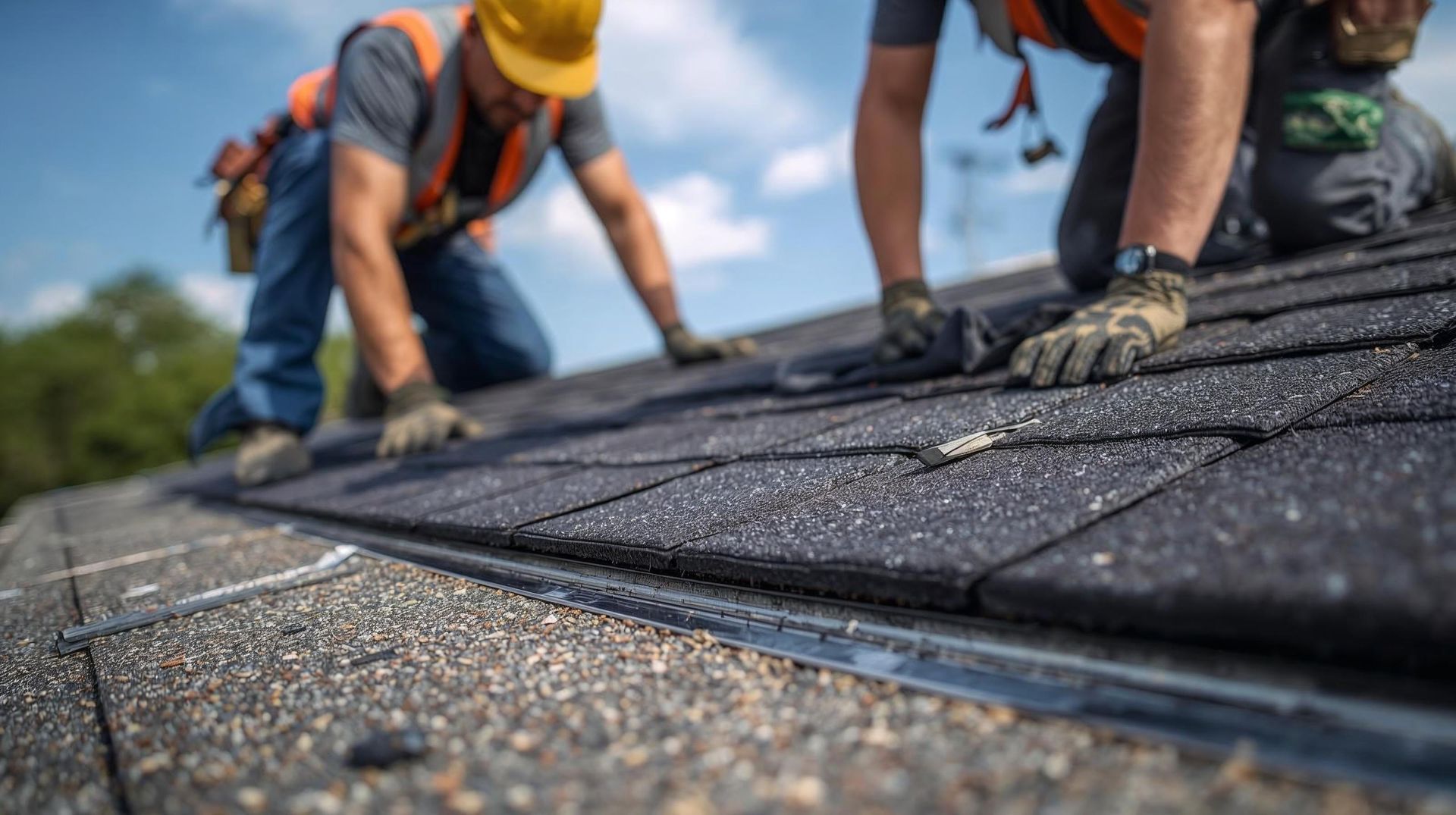
Older homes usually have an existing roof that has gone through multiple repairs and upgrades. Over time, wear and tear on the roof structure, roof's decking and existing roofing material can create issues that are not visible until the old roof is removed.
Key challenges include:
- Weakened roof structure
- Damaged roof's decking
- Multiple layers of old shingles
- Outdated existing roofing material
- Structural issues around chimneys, vents, and roof penetration
These complexities explain why roof replacement in older homes involves additional labor and higher costs. A professional roof inspection is critical before estimating roof cost, as underlying problems can significantly raise the final cost.
Average Shingle Roof Replacement Cost for Older Homes
On average, the shingle roof replacement cost for older homes ranges between $4.50 to $9.00 per square foot, but the replacement cost can increase depending on condition and materials.
Let's look at the cost breakdown:
- Average cost per square (roofing square = 100 square feet): $450-$900
- Asphalt shingle roof cost for a standard home: $8,000-$18,000
- New roof cost varies depending on roof size, roof pitch and roof slope
While national averages provide a helpful starting point, the final cost of a new asphalt shingle roof is best determined through a customized estimate. Every roof is different, and older homes almost always require a more detailed cost evaluation. Because shingle roof costs vary depending on many factors, homeowners should never rely on flat pricing alone.
Want a clearer picture of pricing? Check out our nationwide data of Average Roof Replacement Cost.
Factors That Affect Shingle Roof Replacement Cost
Several factors influence the total shingle roof replacement cost, making it difficult to rely on a certain range of pricing. From roof's square footage to roof slope and structural condition, each detail plays a role in determining the overall roof cost.
1. Roof Size and Roof Area
- The total roof's square footage directly affects roof prices.
- Larger roof area means more shingle material, higher labor and material costs, and increased disposal costs.
2. Roof Pitch and Steeper Roofs
- A steeper roof pitch or roof slope increases safety risks, leading to higher labor costs and additional labor time during roof installation.
3. Condition of Roof's Decking
- Older homes often require repairs or replacement of the roof's decking, especially if moisture damage exists under the old roof.
4. Shingle Removal and Disposal
- Removing old materials, including old shingles and damaged underlayment, adds to shingle removal and disposal costs.
Understanding these factors allow homeowners to see where their money is going and why costs can rise quickly. Knowing what affects the replacement cost also helps in comparing estimates from different roofing contractors.
Roofing Material Choices and Their Costs
Choosing the right roofing material is one of the most important decisions in any roof replacement project. Asphalt shingle remain the most popular roofing material, but older homes may also consider architectural shingles, metal roof options, or even slate roof alternatives.
1. Asphalt Shingles (Most popular roofing material)
- 3-tab Asphalt Shingles: Budget-friendly but shorter lifespan
- Architectural asphalt shingles: Thicker, more durable, higher curb appeal
- Architectural shingles cost more but offer better warranties and wind resistance
A new asphalt shingle roof typically balances cost and durability well for older homes.
2. Other Roofing Materials (Higher Cost Option)
- Metal roof: Durable, energy-efficient, higher upfront roof cost
- Slate roof: Extremely long-lasting but heavy and expensive
- Synthetic slate: Lighter and less costly alternative
- Wood shingles: Traditional appearance, higher maintenance
- Composite shingles: Mimic natural materials with lower upkeep
- Luxury shingles and premium materials increase shingle roof cost
- Copper roofing: Rare, premium, very high roof prices
Choosing the right roofing material affects both short-term cost and long-term value. Each roofing material comes with its own price range, lifespan, and maintenance needs. Balancing budget, durability, and appearance ensures the new shingle roof complements both the home's structure and long-term goals.
Still deciding on materials? Compare options in our in-depth blog on Cheapest Roof Replacement Option: A homeowner's guide to budgeting.
Labor Costs and Contractor Expertise
Labor costs often account for 40-60% of the roof replacement cost, a major portion of the overall cost, particularly for older homes. Because these projects often involve structural assessments and careful installation, hiring experienced professional roofers becomes essential.
Factors influencing labor:
- Roof accessibility
- Complex roof penetration areas
- Additional structural reinforcement
- Local labor rates
Hiring a reputable roofing contractor or roofing company ensures proper installation, safety compliance, and eligibility for workmanship warranty and extended warranties. Skilled labor may come at a higher cost, but it significantly reduces the risk of future roof repair.
Unexpected Costs Homeowners Should Expect
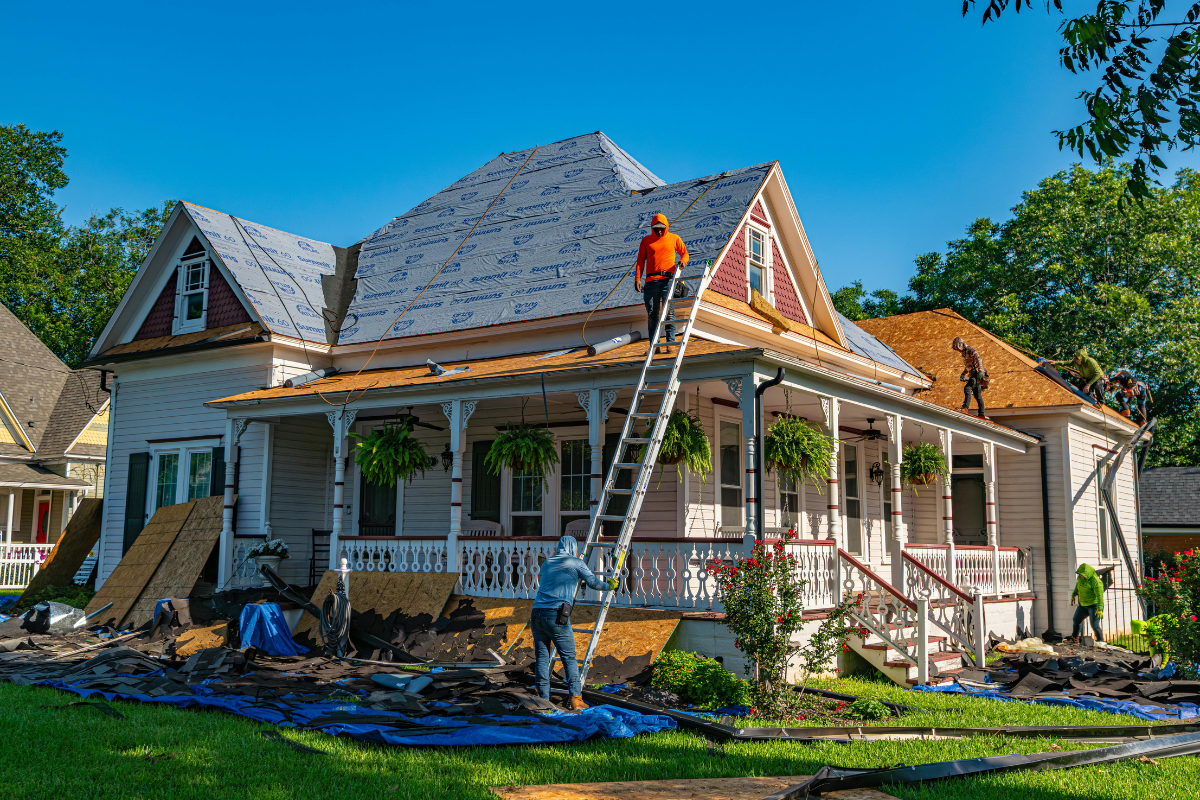
Many homeowners are surprised by additional expenses that arises once the roof replacement begins. Removing old materials often reveals hidden damage to the roof's decking or underlying roof structure.
- Structural repairs to the roof structure
- Ventilation upgrades for energy efficiency
- Flashing replacement around chimneys
- Code-mandated improvements
- Extra repairs discovered after removing existing roofing material
Read our blog on Hidden Roof Replacement Costs Homeowners often Overlook, to know more.
Preparing for these unexpected costs helps prevent budget strain and project delays. Setting aside a contingency amount ensures that necessary repairs don't compromise the safety or quality of the new roof.
Insurance, Warranties, and Coverage
Insurance coverage and warranties play an important role in managing roof replacement costs. Some homeowners' insurance policies may cover part of the roof replacement if the damage is storm-related. Always consult your insurance company before starting work.
Additionally:
- Manufacturer warranties vary by shingle roofing type
- Most roofing contractors offer labor warranties
- Extended warranties may require certified installers
Understanding policy terms and warranty requirements before installation can save money in the long run. Working with roofing contractors who offer workmanship warranties adds an extra layer of financial protection.
Unsure what your policy covers? Visit our blog on "Is roof replacement covered by insurance?".
Is Roof Replacement Worth It for Older Homes?
Yes, despite the higher cost, a new shingle roof improves:
- Structural safety
- Property value
- Energy efficiency
- Protection against future roof repair expenses
Replacing the roof of an older home may feel like a major expense, but it is often a necessary and worthwhile investment. A failing roof can lead to costly structural damage and reduced energy efficiency.
A properly installed new roof adds decades of reliability to an aging home. In many cases, the benefits of roof replacement far outweigh the upfront cost.
Tips to Reduce Shingle Roof Replacement Cost
While roof replacement is rarely inexpensive, there are ways to manage and reduce overall costs. Strategic planning and informed material choices can significantly impact the final roof cost.
- Schedule work during off-peak seasons: Late fall and early winter often come with lower labor costs, better pricing and flexible scheduling, which can help reduce the final cost of a new roof.
- Choose standard shingles instead of luxury options: Homeowners looking to save should avoid luxury shingles, premium materials, or copper roofing unless necessary, as these significantly increase shingle roof cost and overall roof prices.
- Avoid unnecessary roofing material upgrades: Unless your roof requires special materials due to climate or structural reasons, sticking to standard shingles or composite shingles can help keep the asphalt shingle roof cost reasonable while still providing reliable protection.
- Get multiple quotes from professional roofers: Never settle for the first quote you receive. Getting estimates from at least 3 roofing contractors allow homeowners to compare labor costs, material costs, and workmanship warranties.
- Fix minor issues early to avoid full replacement: Regular roof repair and maintenance help extend the lifespan of the current roof and delay full replacement. Preventive maintenance reduces the likelihood of emergency roof replacement, which typically comes with higher labor costs and rushed decisions.
- Ensure accurate measurement of roofing square and square footage: Incorrect measurements can lead to material waste and unnecessary expenses. Precise estimates of square footage and cost per square foot prevent over-ordering of shingle material and help control the actual cost of the project.
- Check homeowners' insurance coverage: Contact your insurance company before starting the project to understand coverage options. Even partial coverage can significantly reduce the out-of-pocket cost of a new shingle roof.
Looking for more savings strategies? Explore our expert tips on how to lower roof replacement costs without sacrificing quality.
By working with reputable roofing contractors and understanding cost-saving options, homeowners can achieve a durable, high-quality roof without overspending. Planning ahead helps control roof replacement project expenses.
Conclusion
The shingle roof replacement cost for older homes depends on many factors: roof size, roof pitch, material costs, labor costs, and the condition of the current roof. While the upfront investment may seem high, a well-planned roof installation protects your home, improves efficiency, and reduces long-term costs, ensuring that your new shingle roof delivers protection, value, and peace of ind for years to come.
Always begin with a professional roof inspection, work with a trusted roofing contractor, and prepare for variables that may arise once the old roof is removed.
A smart roof replacement today prevents costly problems tomorrow.
Ready to take the next step? Explore our full resource hub to plan your project efficiently. Contact us for a free and professional roof inspection today.
How much does a shingle roof replacement cost for an older home?
The shingle roof replacement cost for an older home typically ranges from $4.50-$9.00 per square foot, depending on roof size, roof pitch, and the condition of the existing roof. Homes with damaged roof decking or structural issues may have a higher replacement cost due to additional labor and material costs.
What is the average cost per roofing square?
A roofing square equals 100 square feet. The average cost per square for asphalt shingle roofing typically ranges from $450 to $900, depending on the type of shingles, roof slope, and local labor rates.
Why does roof replacement cost more for older homes?
Roof replacement costs are usually higher for older homes because the roof structure may need repairs, old materials must be removed, and the existing roofing material may not meet current building codes. These factors increase labor costs, disposal costs, and the overall final cost of the project.
Which roofing material is the best for older homes?
Asphalt shingles are the most popular roofing material for older homes because they are affordable, durable, and compatible with most roof structures. Architectural shingles offer better durability and appearance, while metal roofs, synthetic slate, or composite shingles may be chosen for longevity but come at a higher cost.
Is it cheaper to repair an old roof instead of replacing it?
Roof repair is usually cheaper in the short term, but frequent repairs on an aging roof can add up quickly. When the roof requires repeated fixes or shows structural damage, full roof replacement often becomes the most cost-effective long-term solution.
Roof Replacement Cost Calculator Accuracy: How Close Are Online Estimates to Real Contractor Quotes?