Asphalt Roof Replacement Cost Trends for 2026
Key Takeaways
- Asphalt roof replacement cost in 2026 ranges between $4–$7 per square foot.
- Labor costs are rising due to safety requirements and skilled labor shortages.
- Architectural asphalt shingles cost more but last longer than standard shingles.
- Roof size, roof’s square footage, and roof complexity directly influence the replacement cost.
- Regional differences in labor statistics, location, and material costs shape the final price.
- Getting multiple quotes and checking the contractor's warranty helps homeowners save money.
Asphalt Roof Replacement Cost Trends and Predictions for 2026
When planning a roof replacement project, it’s easy to focus only on the price of shingles. But the actual cost of replacing an entire roof depends on much more: the roof’s slope, the roofing square footage, the type of roofing material, and even details like roof penetrations for chimneys, gutters, and skylights. In 2026, homeowners should expect higher costs due to rising labor costs and more expensive materials.
The following sections break down these factors in detail, showing how they connect to create the final price of a roof replacement.
What is the Actual Cost of Replacing an Asphalt Shingle Roof in 2026?
In 2026, the average roof replacement cost for an asphalt shingle roof is projected to range between $4–$7 per square foot. This makes asphalt shingles one of the most affordable roofing materials, but costs are climbing compared to previous years.
Average Cost Per Square Foot:
- Standard asphalt shingles range from $4 to $5 per sq ft.
- Architectural asphalt shingles range from $5 to $7 per sq ft.
Price Ranges by Home Size:
- Single-story home (1,500 sq ft roof size): $6,000–$10,500.
- Two-story home (3,000 sq ft roof size): $12,000–$21,000.
These averages give homeowners a baseline, but the actual cost depends on roof type, roof’s slope, and whether you’re replacing old shingles or upgrading to architectural shingles.
Want to see how asphalt roof costs compare nationally? Read our breakdown on Average Roof Replacement Cost in the U.S., for updated pricing and expert tips (2026 guide).
What Should Homeowners Know About the Labor Costs and Installation Process for a New Roof?
Labor is often the largest portion of the roof replacement cost, especially in 2026. With professional roofers in high demand, roofing companies are charging more to cover safety measures, insurance, and training.
Why Labor Costs Are Rising in 2026?
- Skilled labor shortage: Fewer trained roofing contractors are available, which drives up wages.
- Safety requirements: Steeper roof slopes or complex roof type requires harnesses, scaffolding, and sometimes larger crews.
- Insurance and liability: Roofing companies must carry higher insurance coverage, especially when working on two-story homes or roofs with multiple skylights and chimneys.
- More labor hours: Removing old shingles, disposing of old materials, and preparing the existing roofing material for replacement add time.
These factors explain why installation costs are climbing and why homeowners should expect higher costs compared to previous years.
Average labor costs per square foot and per square for standard asphalt shingle roof installation (2026):
- $1.50–$3.50 per square foot.
- $150–$350 per roofing square (100 sq ft).
Always ask your roofing contractor to break down labor charges separately from material costs so you understand the actual cost of your roof replacement project.
Learn more in our blog on "Hidden factors that increase roof replacement cost and how to avoid them".
Roof Complexity and Installation Challenges
Not all roofs are created equal. A simple gable roof is straightforward, but complex designs add significant labor costs. The more complex the roof type, the higher the replacement cost, even if the roofing material itself is affordable.
- Rectangular hip roofs: Require more cutting and fitting of shingles, increasing installation costs.
- Roof penetrations: Features like two average-sized skylights, chimneys, and gutters demand precision flashing with mill finish aluminum flashing or galvanized drip edge, adding time and expense.
- Pitch and slope: Steeper roofs slow down crews, requiring extra safety gear and more labor hours.
- Old roof removal: Stripping old shingles and disposing of old materials adds another layer of cost.
Want to understand what goes into the installation process? Our blog "Roof Replacement Installation Costs Explained" breaks down labor hours, crew size, and safety measures.
From the size of your roof’s square footage to the complexity of your roof type, every detail affects how much roofing companies charge. Labor trends show why installation costs are climbing in 2026, making it essential to plan ahead, get multiple quotes, and work with a trusted roofing contractor.
Material Costs and Shingle Options
Not all asphalt shingles are created equal. Different roofing materials change the replacement cost. The choice of roofing material directly impacts the actual cost, the lifespan of your new roof, and how much maintenance you'll need over time. In 2026, the cost of asphalt shingles and other roofing materials is rising due to supply chain pressures, higher manufacturing costs, and increased demand.
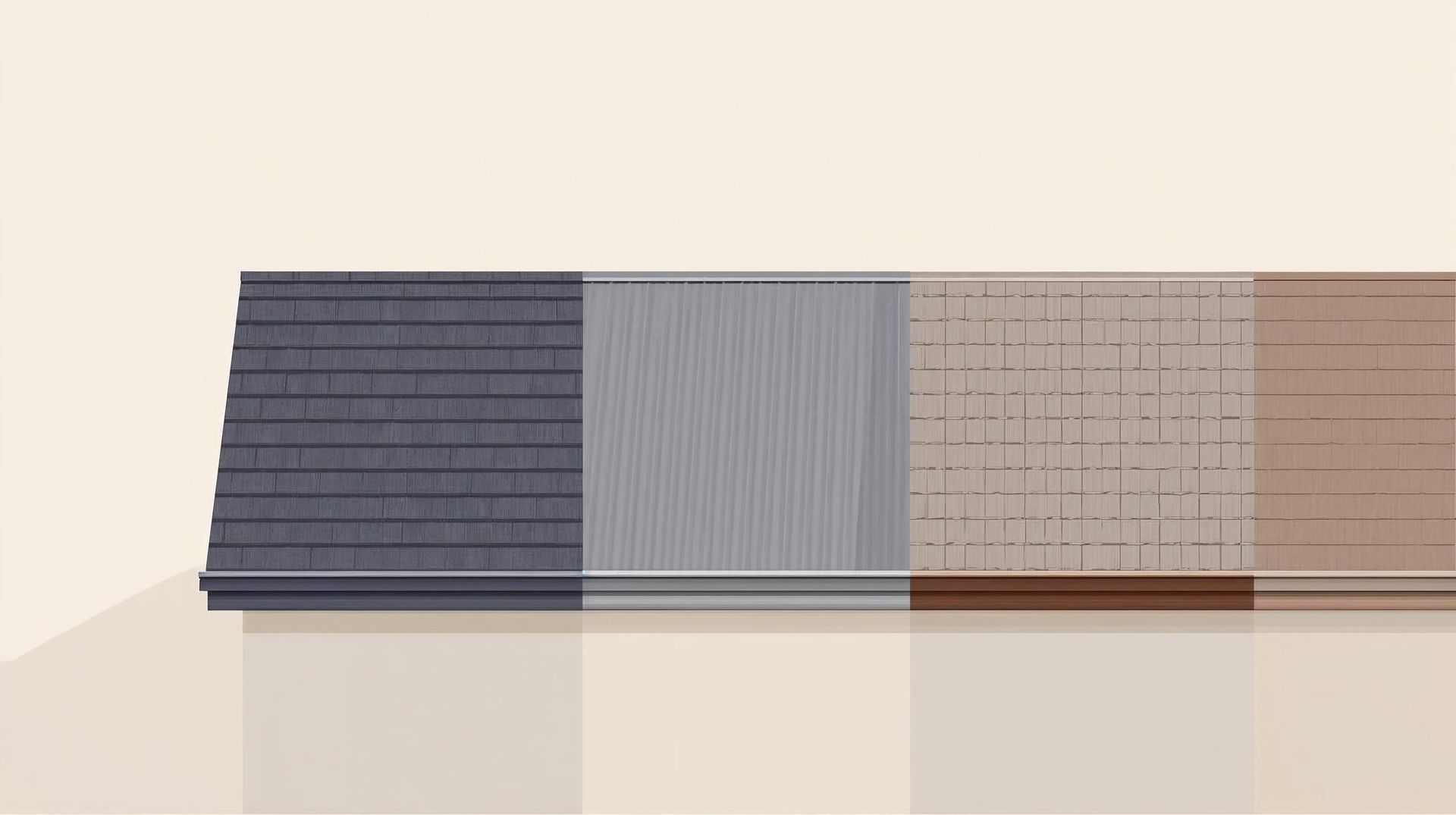
Let's understand the differences between standard asphalt shingles, architectural asphalt shingles, and premium alternatives like metal roofing, slate roofs, or clay tiles, so you can budget realistically.
1. Standard Asphalt Shingles (The Affordable Choice)
- Cost per square foot: $4–$5.
- Cost per roofing square (100 sq ft): $400–$500.
- Lifespan: 20–25 years, the shortest lifespan among common options.
- Pros: Affordable, widely available, easy to install, and compatible with most roof types.
- Cons: More prone to damage from storms, may require regular maintenance, and less energy-efficient compared to premium options.
Want to know which asphalt shingles give the best long-term value? Explore Asphalt shingles lifespan vs cost to see cost-per-year insights and smarter roofing choices.
2. Architectural Asphalt Shingles (Mid-Range Upgrade)
- Cost per square foot: $5–$7.
- Cost per roofing square: $500–$700.
- Lifespan: 25–30 years.
- Pros: Thicker, more durable, and designed to mimic the look of premium materials like slate or wood shakes. They also improve curb appeal and can withstand harsher climates.
- Cons: Higher replacement cost compared to standard shingles, but still cheaper than metal shingles or clay tiles.
3. Premium Roofing Materials (Higher Costs, Longer Lifespan)
These materials come with higher costs and installation expenses, but they reduce long-term repairs and can increase property value.
Metal roofing (metal shingles, standing seam metal): $7–$12 per square foot. Excellent for steep roofs’ slope, sheds snow easily, and lasts 40–70 years.
- Slate roofs: $15–$25 per square foot. Stunning appearance and unmatched longevity (75–150 years), but heavy and expensive to install.
- Clay tiles: $10–$18 per square foot. Popular in warmer climates, durable, but heavy, and require more labor and structural support.
- Equivalent synthetic materials: Designed to mimic slate or clay at a lower roof cost, typically $6–$9 per square foot.
Thinking about switching from asphalt shingles to metal? Check out our fully explained guide on Metal Roof Replacement Cost to see how steel, aluminum, and copper compare in 2026.
By weighing material costs, lifespan, and maintenance needs, homeowners can make decisions that balance upfront roof cost with long-term savings.
Regional and Geographical Location Influence on Asphalt Roof Replacement Cost
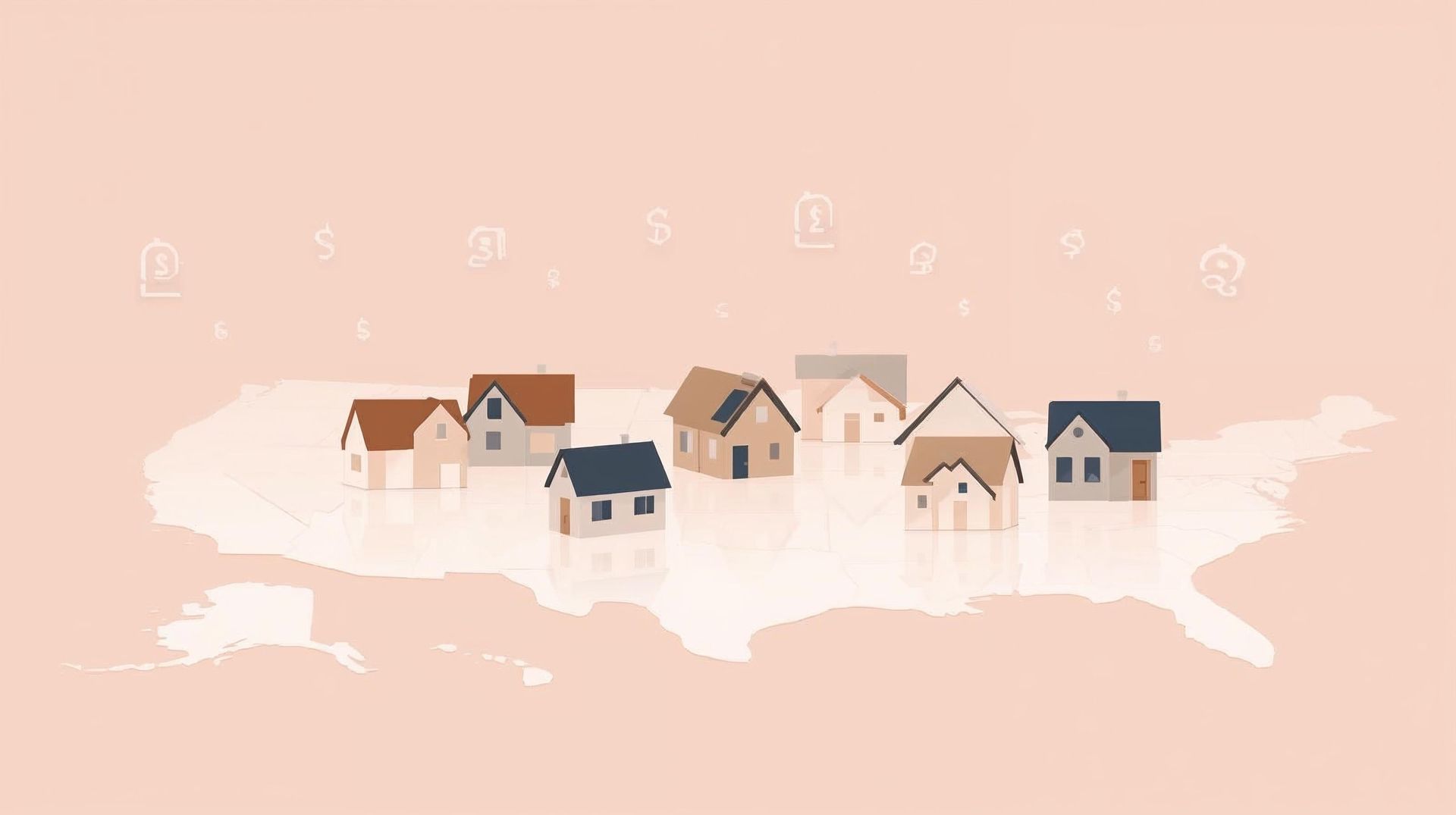
Where you live influences the average cost of a roof replacement project. Even if two homes have the same roof size, roof type, and roofing material, the actual cost of replacing the entire roof can vary dramatically depending on where you live. In 2026, regional differences in labor statistics, material costs, and even climate conditions are shaping the price ranges homeowners can expect when budgeting for an asphalt shingle roof cost.
Why Does Location Matter in Roof Replacement Pricing?
The roof’s square footage and choice of roofing material set the baseline, but labor rates and installation costs are heavily influenced by geography.
High-cost regions like California and New York often see higher costs because professional roofers charge more due to demand, insurance, and safety requirements.
- California: Complex roof types like rectangular hip roofs are common, and installation costs rise due to stricter building codes.
- New York: Dense urban areas mean roof penetrations (chimneys, skylights, gutters) are more frequent, requiring more labor and precision.
- Northeast states: Premium roofing materials like slate roofs are popular, pushing up the replacement cost.
Affordable regions such as the Midwest or Southern states typically have lower roof cost per square foot, thanks to cheaper labor costs and easier access to materials.
- Midwest: Asphalt shingles remain the most common choice, keeping the asphalt shingle roof affordable.
- Southern states: Architectural asphalt shingles are widely used, balancing durability with lower material costs.
- Local roofers in these regions often provide competitive estimates, helping homeowners save money.
Curious why roof replacement costs vary so much across the state? Read our blog on Shingle Roof Replacement Cost by Region to understand how location impacts your final price.
Climate directly impacts the choice of roofing material, and therefore the total cost.
- Snow-heavy regions: A steeper roof pitch is required to shed snow, raising labor costs and installation costs.
- Hurricane-prone areas: Stronger roof types, such as hip roofs, are common, requiring more materials and higher costs.
- Hot climates: Clay tiles or metal shingles are favored for durability, but they increase the actual cost compared to standard shingles.
Your geographic location is a major deciding factor in what you’ll expect to pay, making regional research essential. The final price of a new roof depends not only on the roof’s square footage and roofing material, but also on labor statistics, location, and climate. By understanding these regional trends, homeowners can make informed decisions, budget realistically, and ultimately save money on their roof replacement project.
Budgeting and Planning for Roof Replacement in 2026
Budgeting for a roof replacement project in 2026 is more than just asking “how much does it cost?”. The actual cost of replacing an entire roof depends on multiple factors: the roof’s square footage, the type of roofing material you choose, the roof’s slope, and even details like roof penetrations for chimneys, gutters, and average-sized skylights. With labor costs and material costs continuing to rise, homeowners need to plan carefully, compare multiple quotes, and understand how each decision affects the total cost.
1. Estimating Costs Based on Roof Size and Square Footage
The first step in budgeting is knowing your roof size. Roofers measure in “roofing squares,” where one square equals 100 square feet.
- A single-story home with 20 roofing squares (2,000 sq ft) may cost $8,000–$14,000 for a new roof with standard asphalt shingles.
- A two-story home with 30 roofing squares (3,000 sq ft) could range from $12,000–$21,000, especially if you choose architectural asphalt shingles.
- Larger homes with more square footage naturally require more materials and more labor, raising the replacement cost.
Knowing your roof's square footage helps you calculate a realistic roof cost per square foot and avoid surprises when the roofing contractor provides an estimate.
2. Comparing Roofing Materials and Their Costs
Your choice of roofing material is a major deciding factor in the roof replacement cost.
- Standard asphalt shingles: $4–$5 per square foot, shortest lifespan (20–25 years).
- Architectural asphalt shingles: $5–$7 per square foot, longer lifespan (25–30 years), higher durability.
- Metal roofing (like metal shingles or standing seam metal): $7–$12 per square foot, excellent longevity but higher costs.
- Slate roofs and clay tiles: $15–$25 per square foot, premium look, but heavy and expensive to install.
- Equivalent synthetic materials: mid‑range pricing, designed to mimic slate or wood shakes while reducing installation costs.
Choosing wisely means balancing upfront roof cost with long‑term savings on repairs and regular maintenance. Plan ahead to ensure your roofing project stays on budget and avoids improper installation.
3. Factoring in Labor Costs and Installation Expenses
Labor costs often account for 50–60% of the total cost of a roof replacement project.
- A steeper roof pitch requires more labor hours and safety equipment.
- A complex roof type (like a rectangular hip roof) with roof penetrations (chimneys, skylights, gutters) adds time and precision.
- Removing old shingles and old materials increases installation costs.
- Specialized details like galvanized drip edge or mill finish aluminum flashing add to the actual cost.
Working with professional roofers ensures proper installation, but it’s important to understand why roofing companies charge differently depending on complexity.
4. Using Tools and Cost Calculators
Modern homeowners can use online cost calculators to estimate the cost per square foot of a roof replacement. These tools allow you to input:
- Roof size (in roofing squares).
- Roof’s slope and complexity.
- Choice of roofing material (standard shingles, architectural shingles, metal roofing, slate).
- Regional labor statistics and location.
While calculators provide a ballpark figure, the final price always depends on the roofing contractor’s estimate and local labor rates.
Use our roof replacement cost calculator, compare multiple quotes, and contact our experts today for advice and tips.
5. Working with Roofing Contractors and Companies
A trustworthy roofing company/contractor will explain the installation process, provide clear estimates, and help you make informed decisions. Budgeting isn’t just about numbers; it’s about choosing the right roofing contractor and company.
- Always request multiple quotes from local roofers.
- Ask for a free estimate that breaks down material costs, labor costs, and extras like gutters or skylights.
- Review the contractor warranty and manufacturer warranties to protect against improper installation.
- Confirm whether homeowner’s insurance covers part of the roof replacement cost (especially if damage is storm‑related).
Budgeting for an asphalt shingle roof cost in 2026 means looking beyond the price of shingles. The replacement cost is shaped by roof size, roofing material, labor costs, and location. By using cost calculators, requesting multiple quotes, and working with reliable roofing contractors, homeowners can plan ahead, avoid unexpected expenses, and make confident choices about their roof replacement project.
Conclusion
Asphalt shingles remain the go-to choice for roof replacement in 2026, but costs are evolving. Whether you’re replacing an old roof with standard asphalt shingles or upgrading to architectural asphalt shingles for added durability, the total cost of a roof replacement project depends on your roof size, your roof’s slope, and the complexity of your roof type. For homeowners, from understanding per square foot pricing to factoring in hidden expenses like galvanized drip edge, mill finish aluminum flashing, and gutters, every detail contributes to the actual cost of a new roof.
Ultimately, the choice of whether to stick with standard shingles, invest in architectural shingles, or explore premium options like metal roofing, slate roofs, or clay tiles comes down to your budget, your home’s needs, and your location. No matter which path you choose, a well-installed roof replacement protects your home, boosts curb appeal, and ensures peace of mind for years to come.
Ready to plan your roof replacement? Visit our company’s website to explore detailed guides and use our free roof replacement cost calculator to get a ballpark estimate. Protect your home, save money, and make the smartest choice for your roof replacement project.
What is the average asphalt roof replacement cost in 2026?
Between $4–$7 per square foot, depending on roof size and roofing material.
Do architectural shingles cost more than standard asphalt shingles?
Yes, architectural asphalt shingles cost more but last longer and improve curb appeal.
How do labor costs affect roof replacement pricing?
Labor costs can account for 60% of the total cost, especially with a complex roof design.
Does geographical location change the cost to replace a roof?
Yes, labor rates and material costs vary by state, making location a key deciding factor.
How can I save money on a roof replacement project?
Get multiple quotes, use a cost calculator, and choose local roofers with strong warranties.