Shingle Roof Replacement Cost: What Homeowners Need to Know
Key Takeaways
- Shingle roof replacement cost in 2026 averages $4–$7 per square foot.
- Labor costs account for 50–60% of the total cost.
- Architectural shingles cost more but last longer than standard shingles.
- Roof size and roof slope directly affect installation costs.
- Regional labor statistics and material costs shape the actual cost.
- Getting multiple quotes and checking the contractor's warranty helps homeowners save money.
Shingle Roof Replacement Cost: What Homeowners Need to Know
Replacing a shingle roof isn’t just about swapping out old shingles for new ones. The replacement cost depends on the roof structure, the roof area, and the type of roof shingles you choose.
The national average for a new shingle roof is between $8,000–$15,000, but the total cost can be higher if you need roof decking repairs, structural repairs, or premium roofing materials. Let’s explore the shingle-specific factors that drive cost in 2026.
What is the Average Shingle Roof Replacement Cost in 2026?
The national average cost of shingle roof replacement ranges from $4 to $7 per square foot. Roofers often calculate by "roofing squares", where one square equals 100 square feet.
The roof area directly impacts the total cost of a shingle roof replacement.
- Small roof size (1,500 sq ft): $6,000 to $10,500 for a new shingle roof.
- Medium roof size (2,500 sq ft): $10,000 to $17,500, depending on the roof design and installation difficulty.
- Larger roof size (3,500 sq ft): $14,000 to $24,500, especially if roof decking repairs or structural repairs are needed.
Cost per square foot and roofing square:
- Per square foot pricing is $4-$7 for standard asphalt shingles and $5-$7 for architectural asphalt shingles.
- The cost per roofing square (100 sq ft) ranges from $400 to $700, depending on shingle material, average cost, and local labor rates.
- Labor accounts for $150-$350 per roofing square, making up 50-60% of the total project cost.
The average shingle roof replacement cost in 2026 gives homeowners a baseline, but the actual cost depends on roof size, roof complexity, labor, and material costs, and the type of roof shingles chosen.
Want to see how shingle roof costs compare to the national average? Read our guide on "Average Roof Replacement Cost in the U.S.: 2026 Data & Insights" for updated pricing and expert tips.
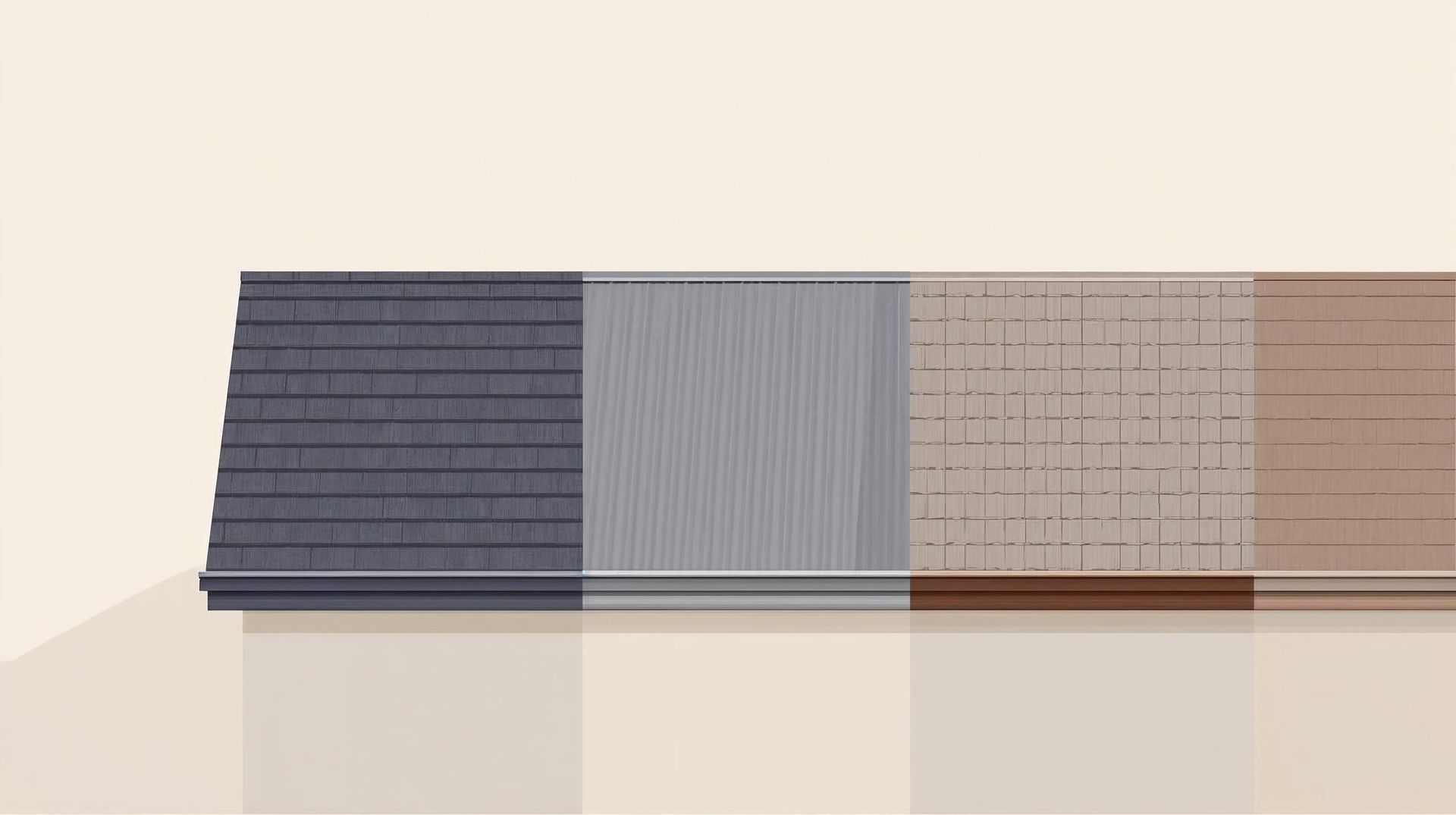
Standard vs Architectural Shingles (Cost and Lifespan)
The biggest cost difference comes from the type of shingles you choose.
Standard asphalt shingles remain the most common roofing material because they're affordable and easy to install.
- Shingle material average cost: $4–$5 per square foot.
- Lifespan: 20–25 years.
- Best for simple roof design with minimal penetrations.
Architectural asphalt shingles (also called dimensional shingles) are thicker, more durable, and designed to mimic the look of wood shingles or slate roofs.
- Shingle material average cost: $5–$7 per square foot.
- Lifespan: 25–30 years.
- Better for resale value and curb appeal.
Not sure whether architectural shingles or designer shingles are right for your home? Our blog on "Shingle Roof Replacement Cost: Comparing Architectural vs Designer Shingles" breaks down cost, lifespan, and resale value.
Many homeowners in 2026 are upgrading to architectural shingles because, although they come with a higher cost, they do reduce the risk of roof leaks and costly repairs, making them a cost-effective choice in the long run.
Hidden Material Costs Beyond Shingles
Shingles aren’t the only materials you’ll pay for. While budgeting for a new shingle roof, don't forget the extras like:
- Roof decking repairs: If your existing roof decking is damaged, expect to pay $2–$5 per square foot.
- Drip edges and flashing: Galvanized drip edges and mill finish aluminum flashing protect the edges and also against water damage.
- Underlayment and Fasteners: Adds waterproofing beneath shingles. Essential for durability.
- Gutters and skylights: Often replaced during a full roof replacement, adding $1,000–$2,500 to the actual cost.
- Local labor rates: Urban areas often have higher labor costs compared to rural regions.
- Shingle removal: A full tear-off of old roofing material adds $1,000-$2,000 to the project cost.
These hidden material costs can raise the total project cost significantly, especially if your old roof had water damage or structural repairs are needed.
Click on this blog and learn the Hidden Factors That Increase Roof Replacement Cost (and how to avoid them) so you can budget wisely.
Labor Cost in Shingle Roof Replacement
When homeowners budget for a shingle roof replacement, they often focus on the price of roofing material like asphalt shingles or architectural asphalt shingles. But in reality, labor costs make up the largest portion of the total project cost. In 2026, rising wages, stricter safety requirements, and shortages of skilled roofing contractors are driving higher labor costs nationwide. Understanding how roof size, roof complexity, and installation difficulty affect the actual cost of a new shingle roof is essential for budgeting wisely.
- Labor Costs Per Square Foot: $1.50–$3.50 for shingles.
- Labor Cost Per Roofing Square: $150-$350, depending on local labor rates.
- National average: Labor alone can add $4,000-$9,000 to a full roof replacement.
- Roof Complexity: Steeper slopes, chimneys, and skylights require more labor and time.
- Tearing off old shingles adds $1,000-$2,000 to the project cost.
Hiring a reputable roofing contractor may cost more upfront, but it saves money long term.
- Workmanship warranty: Protects against mistakes during installation.
- Manufacturer warranties: Often require certified installers to remain valid.
- Improper installation: Can lead to roof leaks, wasted roofing material, and costly repairs.
- Energy efficiency: Proper installation ensures your new shingle roof performs well in your local climate.
Even if the average cost of shingles is affordable, the overall cost rises significantly due to labor, so investing in skilled labor ensures your new roof is installed correctly, protecting your home and maximizing the lifespan of your shingles. Always ask roofing contractors for a free estimate and ensure they provide a workmanship warranty.
Regional Price Differences for Shingle Roofs
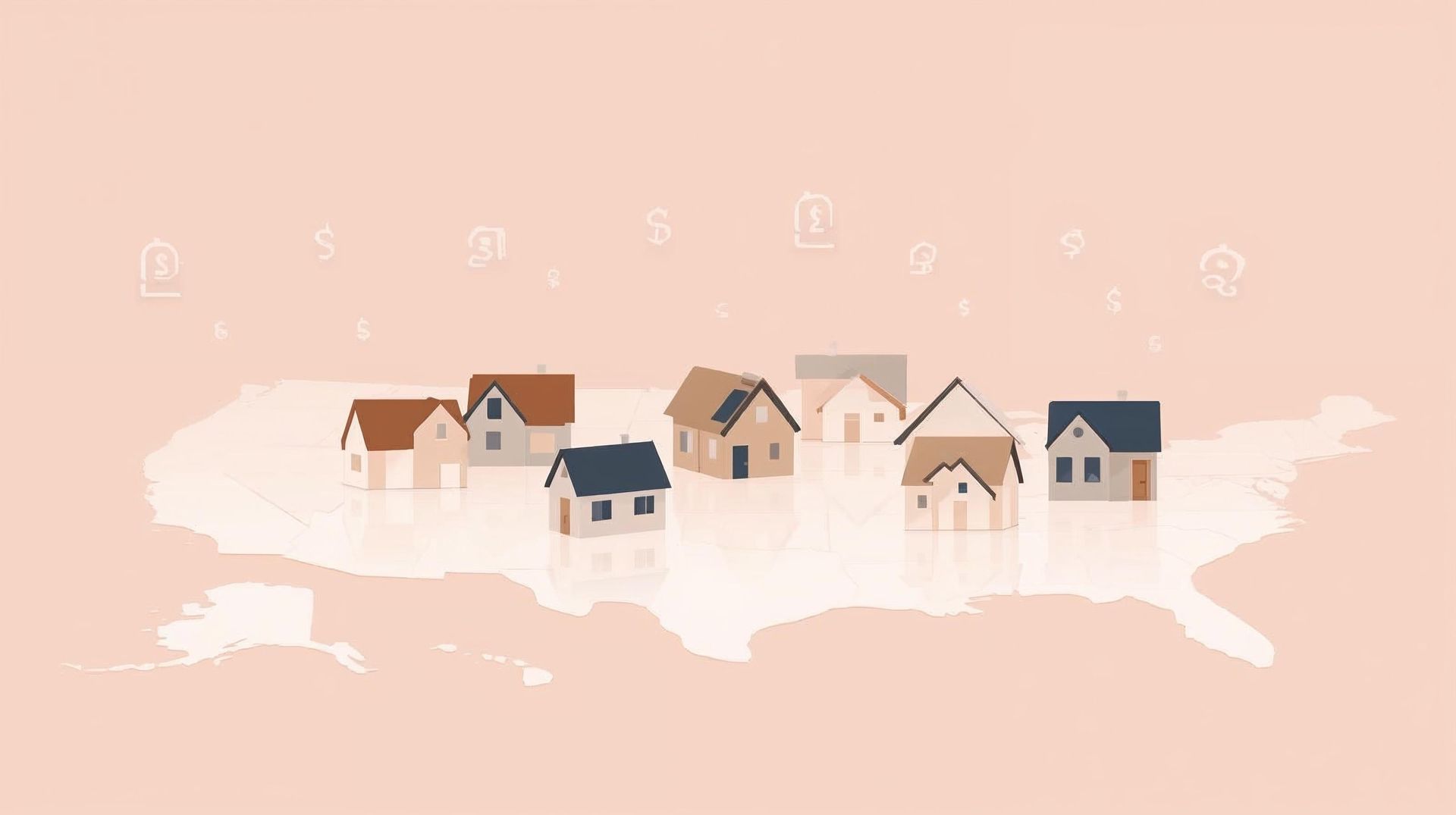
One of the biggest reasons shingle roof costs vary across the U.S. is regional differences in local labor rates, material costs, and local climate. While the national average for a shingle roof replacement cost is $4–$7 per square foot, the actual cost can swing significantly depending on where you live. Homeowners in high‑cost states often face higher labor costs and stricter building codes, while those in more affordable regions benefit from competitive roofing companies and lower roof costs per square foot.
Blog that might interest you: Roof Replacement Cost by State
1. High‑Cost States
In states like California, New York, and the Northeast, roof replacement costs are consistently above the national average.
- Labor costs: Urban areas have higher labor costs due to demand and stricter safety regulations.
- Material costs: Shipping and supply chain expenses raise the shingle material average cost.
- Roof complexity: Older homes with intricate roof design and roof structure often require structural repairs or roof decking repairs, adding to the total project cost.
Homeowners in these regions should expect higher costs and plan for full replacement expenses that exceed the national average.
2. Affordable Regions
In the Midwest and South, shingle roof replacement costs are often lower thanks to competitive roofing contractors and reduced labor and material costs.
- Local labor rates: More affordable compared to coastal states.
- Roofing material availability: Asphalt shingles are widely available, keeping material costs down.
- Roof size and design: Many homes have simpler roof structures, reducing installation difficulty.
For homeowners in these regions, shingle roof replacement is generally more cost-effective, with total project costs closer to the national average or below.
3. Climate Impacts
Local climate plays a major role in determining replacement cost.
- Snowy regions: Require steeper roofs and stronger roofing material to prevent roof leaks and ice dams. This increases labor costs and installation difficulty.
- Hot climates: In states like Florida or Texas, homeowners may consider tile roofs or metal roofing for better energy efficiency, which raises the overall cost compared to asphalt shingles.
- Storm‑prone areas: Frequent roof leaks and damage from hurricanes or hail storms mean more shingle removal and structural repairs, raising the cost to replace an old roof.
Climate-specific needs often push homeowners towards premium materials or architectural shingles, which come with a higher cost but provide better long-term protection.
Why Do Regional Quotes Matter?
Because shingle roof costs vary so widely, homeowners should always request multiple quotes from local roofing companies.
- Free estimates: Provide clarity on labor and material costs in your area.
- Workmanship warranty: Ensures your new shingle roof is installed correctly.
- Homeowner’s insurance: Coverage differs by state and may offset part of the replacement cost.
Comparing local labor rates and factoring in regional climate ensures you budget effectively and avoid surprises in your total project cost.
Regional differences make a huge impact on the shingle roof replacement cost. While the national average provides a baseline, the actual cost depends on where you live, the local climate, and the competitiveness of roofing contractors in your area.
Budgeting and Planning for Roof Replacement in 2026
Smart budgeting helps homeowners save money on roof replacement costs overall. The total project cost depends on your roof size, the type of roof shingles you choose, the roof complexity, and whether you need roof decking repairs or a full tear-off of old shingles. With labor and material costs continuing to rise, homeowners must learn how to budget effectively, compare local rates, and plan for both expected and hidden expenses.
1. Use of the Cost Calculator
Modern homeowners can use online roof replacement cost calculators to estimate their project costs before contacting a roofing contractor. These tools allow you to input:
- Roof size and square footage
- Roof complexity (steeper roofs, penetrations, skylights)
- Choice of roofing material (standard shingles, architectural shingles, premium materials)
- Regional local labor rates and material costs.
While calculators provide a ballpark figure, the actual cost always depends on the roofing company's estimate and any structural repairs discovered during inspection.
2. Working with Contractors
Choosing the right roofing contractor is just as important as budgeting. A reputable roofing contractor ensures your new roof is installed correctly, preventing roof leaks and costly repairs.
- Request multiple quotes from local roofing companies.
- Ask for a free estimate that breaks down labor costs, material costs, and extras like drip edges or roof decking repairs.
- Check for workmanship warranty and manufacturer warranties to protect against improper installation.
- Confirm whether homeowner’s insurance covers part of the cost to replace your old roof.
3. Tips to Save Money
Even with rising labor and material costs, homeowners can still save money. Smart planning and proactive maintenance make a new shingle roof more affordable and help you avoid unexpected higher costs.
- Get multiple quotes: Compare local labor rates and choose a reputable roofing contractor with a solid workmanship warranty.
- Off-season scheduling: Lower demand means reduced labor costs and faster project timelines.
- Local climate considerations: In snowy regions, plan before winter storms; in hot climates, avoid peak summer heat.
- Late fall or winter: Many roofing contractors offer discounts during slower months.
- Choose architectural shingles: More durable than standard shingles, but cheaper than premium tile roofs or slate roofs.
- Maintenance: Prevent roof leaks and extend lifespan with regular inspections.
- Bundle repairs: Replace gutters or fix roof decking during the new roof installation to avoid separate costly repairs later.
4. Hidden Costs Homeowners Often Forget
Beyond shingles and labor, several hidden costs can raise the overall cost, such as:
- Roof decking repairs: $2–$5 per square foot if the existing roof decking is damaged.
- Drip edges and flashing: Protect against water damage, but add $500–$1,500.
- Structural repairs: If your roof structure is compromised, expect higher costs.
- Gutters and skylights: Replacing these alongside a new roof can add $1,000–$2,500.
Budgeting for a shingle roof replacement in 2026 means looking beyond the price of shingles. The total cost is shaped by roof size, roof complexity, labor and material costs, and hidden expenses like roof decking repairs or structural repairs. By using cost calculators, requesting free estimates, and working with reputable roofing contractors, homeowners can budget effectively, avoid surprises, and make confident choices about their new shingle roof.
Conclusion
Shingle roof replacement cost in 2026 depends on roof size, roof complexity, labor and material costs, and the type of roof shingles you choose. While standard asphalt shingles keep the roof replacement cost affordable, architectural asphalt shingles offer better durability and style. Premium options like metal roofing, tile roofs, or slate roofs come with higher costs, but they provide unmatched longevity.
By working with reputable roofing contractors, requesting free estimates, and checking workmanship warranties, homeowners can save money, budget effectively, and ensure their new roof protects their home for decades.
Ready to plan your shingle roof replacement? Visit our company’s website, use our cost calculator, and contact us today for a free estimate.
How often should a shingle roof be replaced in the U.S.?
Most standard asphalt shingles last 20–25 years, while architectural shingles can last 25–30 years. Climate, maintenance, and storm damage can shorten or extend that timeline.
Does homeowner’s insurance cover shingle roof replacement?
Insurance usually covers replacement if the old roof was damaged by a covered event (like hail, wind, or fire). It typically won’t cover normal wear and tear or aging shingles.
What is the difference in cost between tearing off old shingles vs layering new ones?
Tearing off old shingles adds to labor costs but ensures proper installation. Layering new shingles over existing ones may save money upfront, but it can void warranties and shorten the new roof’s lifespan.
How do roof penetrations like chimneys and skylights affect shingle roof replacement cost?
Features such as chimneys, gutters, and average-sized skylights require extra flashing (like mill finish aluminum flashing or galvanized drip edge) and precision labor, which increases the actual cost.
What warranties should U.S. homeowners look for with shingle roof replacement?
Always check for both a contractor warranty (covering installation quality) and a manufacturer warranty (covering shingle defects). Together, they protect your investment in a new roof.