How Much Does It Really Cost to Replace a Roof?
January 30, 2026
Key Takeaways
- The National Range: Most homeowners in 2026 usually spend between $10,000 and $22,000 for a full roof replacement.
- The 60/40 Split: About 60% of your quote covers labor and overhead, while 40% covers the actual material costs.
- Location Matters: Your roof replacement cost will be higher in busy cities or states with high insurance rates.
- The "Rot" Buffer: It is wise to budget 10% extra for repairs to the roof structure that might be hiding under your existing roof.
- Complexity Adds Up: A steep roof pitch or features like skylights can increase labor time by 20–30%.
Want a quick estimate?
Use our Roof Replacement Cost Calculator to see what your costs could look like.
The National Average: What to Expect in 2026
To give you a baseline, let’s look at a standard 2,000 square foot roof (common for a 1,500–1,800 sq ft home). The average roof replacement cost varies a lot depending on the roofing material you pick.
Here is a general look at prices for a full roof replacement this year:
- Basic Asphalt Shingles (3-Tab): $9,000 – $12,000 (The most affordable roofing material).
- Architectural Asphalt Shingles: $11,000 – $18,000 (The standard choice for an average homeowner).
- Premium / Designer Shingles: $20,000+
- Metal Roofs (Standing Seam): $28,000 – $45,000
- Tile Roof (Clay/Concrete): $24,000 – $44,000
Note: These are averages. Your actual cost will depend on the rates of your local roofing contractors.
Understanding the Math: Squares vs. Square Feet
When you look at your quote, you might see the term "roofing square." It’s helpful to know what this means so the numbers make sense.
- Square Foot: The standard measurement of area.
- Roofing Square: An industry term for 100 square feet.
If your roof size is 2,000 square feet, a roofer calls it a "20 square" job. Most roofing companies charge by the square, but for this guide, we will stick to cost per square foot to keep it simple.
Why Roof Size ≠ Floor Size
Your roof area is always bigger than your home's floor plan. A 2,000 sq ft home might have a 2,500 sq ft roof because of the roof pitch (slope) and overhangs. A steep roof design adds more square footage, which increases the total cost.
Location, Location, Location: Why Costs Vary
One of the biggest questions is why prices change so much from place to place. Why does a roof replacement cost $25,000 in the Northeast but only $14,000 in the Midwest?
It usually comes down to four things:
1. Labor Rates & Living Costs
Roofing contractors have bills to pay, too. In expensive areas, wages are higher. A skilled roofer in a big city costs more to hire than one in a rural town. Since labor costs are about 60% of the total, this changes the final price a lot.
2. Insurance Premiums
Roofing is risky work. In some states, insurance for roofing companies is very expensive. Those costs naturally get added to the replacement cost.
3. Disposal & Logistics
- Suburbs: It’s easy to park a dumpster in a driveway.
- City: Crews might need permits or have to carry debris by hand. This adds extra time and effort to the roof cost.
4. Climate Codes
- North: Codes often require "Ice & Water Shield" to stop leaks from ice.
- South: Codes require special nailing patterns for asphalt shingle roofs to handle high winds, which uses more materials and takes longer.
The Breakdown: Where Does Every Dollar Go?
When you pay for a new roof, you aren't just buying the shingles. You are paying for the whole process.
1. Material Costs (40%)
This covers the shingles, underlayment, drip edge, roof flashing, vents, and nails. If you pick premium materials like copper roofing or slate tiles, this part of the bill gets bigger.
2. Labor Costs (60%)
This is usually the biggest part of the roof replacement cost. It pays for:
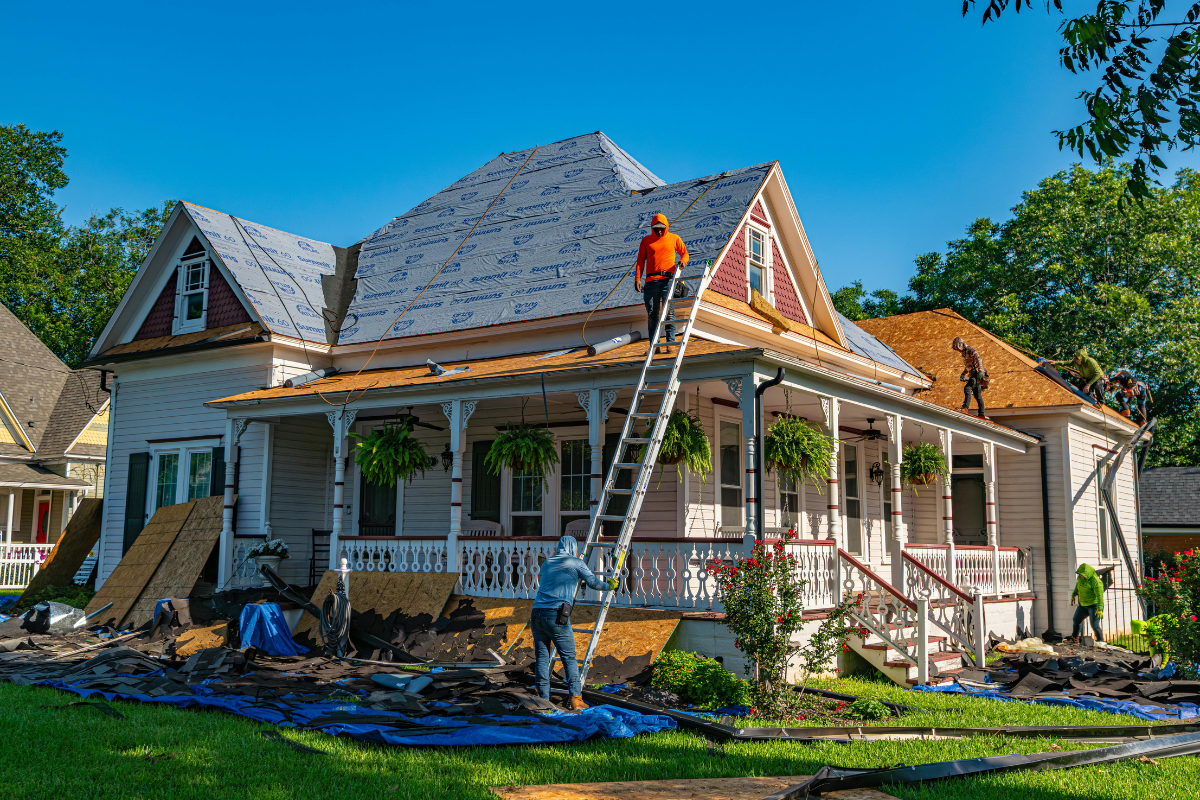
- Tear-off: Taking off the old roof.
- Installation: Expertly installing the new roof.
- Cleanup: Making sure the yard is free of nails and debris.
3. Disposal & Overhead
- Dump Fees: Landfills charge by weight. An entire roof of old shingles can weigh several tons depending on size and layers.
- Permits: Most towns require a building permit to ensure the work meets safety codes. These fees typically range from $50 to $500 or more.
- Profit: A reputable roofing contractor needs to make a profit to stay in business and be there to honor your warranty later.
Sample Quote: A Real-World Example
To show you exactly where the money goes, let’s walk through a typical quote for a 2,000 sq ft architectural shingle roof.
| Line Item | Estimated Cost | What It Covers |
|---|---|---|
| Materials | $6,500 | Architectural shingles, Ice & Water Shield, flashing, vents. |
| Labor (Tear-off) | $3,000 | Removing existing roofing material, hauling debris. |
| Labor (Install) | $5,000 | Installing the new roof system, chimney flashing, and cleanup. |
| Disposal | $800 | Dumpster rental and landfill fees |
| Permits/Overhead | $700 | Town permit, insurance, transportation. |
| TOTAL | $16,000 | Average Cost Per Square Foot: $8.00 |
This is a middle-of-the-road estimate. A smaller crew might quote $12,000, while large roofing companies with higher overhead might quote $22,000.
The "Invisible" Factors That Spike the Price
If your roof replacement cost seems higher than average, your roof might have some "complicating factors."
1. Roof Pitch (Steepness)
If your roof pitch is steep (7/12 or higher), crews can't walk on it easily. They have to use safety gear and staging. Steeper roofs take longer to finish, adding 15–25% to the labor costs.
2. Complexity (Cuts & Waste)
A simple roof is easy to cover. A roof with dormers, valleys, and skylights needs more cutting. High complexity adds 10–15% for extra material waste and detail work.
3. Layers of Old Roof
If you have two layers of existing materials on your old roof, it takes twice as long to tear off, and costs twice as much to throw away. This adds a noticeable amount to the roof replacement project.
4. Accessibility
If the roofing contractor can’t get their truck close to your house, they have to carry heavy bundles of shingles by hand. This adds hours to the roof installation.
Roof pitch and roof design are major drivers of roof replacement cost because they change the square footage, safety needs, and installation time.
Wanna read more about "how" and "why" these increase the costs drastically?
Check out our blog on "How Roof Pitch and Design Affect Roof Replacement Cost."
The "Surprise" Costs: Be Prepared
These are costs that might not show up on the first quote but can happen once the work starts.
1. Rotten Roof Structure
The roofer can’t see the wooden deck until the existing roof is gone. If the plywood is rotten, it has to be replaced. It’s a good idea to keep a little extra money set aside for this.
2. Skylight & Flashing Issues
If your skylights or roof flashing are old, reusing them can be risky. Most pros suggest replacing them to avoid future roof leaks.
3. Upgrading Ventilation
If your attic doesn't have good airflow, the contractor might suggest adding ridge vents to help your new roof last longer.
Comparing Roofing Materials: Costs Per Square Foot
The material you choose changes the total cost more than anything else. Here is a closer look at the cost per square foot for the most popular options.
1. Asphalt Shingles (Most Common)
- Cost: $4.50 – $8.50 per square foot.
- Why It’s Popular: Architectural shingles are the #1 choice in the US because they hit the sweet spot between price and performance.
- Durability: They typically last 25–35 years and come with strong wind resistance ratings and warranties
- Variety: You can find them in almost any color to match your home’s style.
- Easy Repairs: If a shingle blows off, it’s a cheap and easy fix compared to other systems.
2. Metal Roofs
- Cost: $10.00 – $16.00 per square foot.
- Why It’s an Upgrade: Metal roofs (especially standing seam) are a "buy it once" investment.
- Longevity: They can easily last 50+ years, often outliving the homeowner's time in the house.
- Energy Efficiency: They reflect heat, which can lower your cooling bills in the summer.
- Low Maintenance: Unlike wood or asphalt, they don't rot, crack, or lose granules over time.
3. Tile Roofs (Clay & Concrete)
- Cost: $12.00 – $22.00 per square foot.
- Why It’s Worth It: Common in the Southwest and Florida, these roofs are built for harsh sun and heat.
- Thermal Mass: The heavy tiles insulate your home, keeping the interior temperature stable.
- Fire & Rot Proof: Insects and fire are non-issues with concrete or clay.
- Structural Note: Because they are so heavy, you often need to pay an engineer to reinforce your roof deck before installation.
4. Premium Materials (Slate & Wood)
- Cost: $13.00 – $30.00+ per square foot.
- Why It’s a Luxury: These materials offer unmatched curb appeal but come with specific demands.
- Slate: The "forever roof." Natural stone can last 100 years but requires specialized masons for repairs.
- Wood Shake: Offers a rustic, natural look that changes color as it ages. However, it requires regular maintenance (cleaning/sealing) to prevent moss and rot.
5. Flat Roofs
- Cost: $6.00 – $10.00 per square foot.
- Why It’s Different: You can't put shingles on a flat surface because water won't run off.
- Materials: Pros use rubber (EPDM) or white thermoplastic (TPO) sheets that are welded together to create a fully waterproof membrane system.
- Use Case: Best for modern homes, garage additions, or porches with a low slope.
- Energy: White TPO roofs reflect UV rays, making them excellent for keeping rooms cooler.
Flat roofs don't cost the same everywhere. To learn more about them and how their costs vary, check out our blog on "Why Flat Roof Replacement Costs More in Some Climates (2026 Guide)."
Does Insurance Cover the Cost?
Many homeowners cross their fingers hoping insurance will cover the bill, but it really comes down to what caused the damage in the first place
- Storm Damage (YES): If a tree falls or wind blows off some shingles, insurance usually pays for the replacement (minus your deductible).
- Wear & Tear (NO): If your roof is just an old roof (20+ years) and leaking, that is considered roof maintenance. Insurance typically pays nothing.
The Deductible Factor:
In 2026, many policies use a "percentage deductible." On a valuable home, this could be a significant amount. Check your policy before you file a claim for a full roof replacement.
Conclusion: It’s Not Just an Expense, It’s Protection
Replacing a roof is a major investment, but it protects everything else in your home. While the numbers change based on roof size and material, understanding the breakdown helps you avoid overpaying.
Remember that a cheap bid that skips good roof flashing or ventilation isn't a deal, it’s just a future leak waiting to happen.
Ultimately, don't just look for the lowest number. Look for a reputable roofing contractor who explains exactly what is included in the scope of work. Comparing quotes per square foot and checking reviews is the best way to ensure you get a fair price for your new roof.
Ready to budget for your project?
[Use our Roof Replacement Cost Calculator to get an instant estimate.]
What is the average cost per square foot for a new roof?
In 2026, you can expect to pay between $5.50 and $8.50 per square foot for architectural shingles. Premium options like metal shingles or slate tiles can range from $10 to $25+ per square foot.
How much does a 2,000 sq ft roof cost?
The average roof replacement cost for a 2,000 sq ft roof usually falls between $11,000 and $17,000 for asphalt shingles. If you go with metal roofs, the cost can go over $25,000.
Why is my quote so much higher than my neighbor's?
Your roof might be steeper (higher roof pitch), have more layers of existing roof to remove, or be harder to reach. Also, many roofing companies charge more for better warranties.
How can I save money on a new roof?
- Schedule work in the "off-season" (late winter).
- Stick to architectural asphalt shingles (an affordable roofing material with good value).
- Avoid changing the roof design or adding things you don't need.
Does a new roof increase home value?
Yes. A full roof replacement usually offers a good return on investment when you sell. It stops buyers from asking for a lower price because of an old roof or potential roof leaks.
Do I need to replace the gutters too?
Not always. If your existing gutters are okay, the crew can work around them. But if they are damaged or rusty, fixing them during the roof replacement project is usually cheaper than doing it separately.
Roof Replacement Cost Calculator Accuracy: How Close Are Online Estimates to Real Contractor Quotes?