Roof Replacement Cost vs Roof Repair Cost: Which Makes Sense?
February 3, 2026
Key Takeaways
- Roof repairs are cheaper upfront but may not solve long-term issues.
- Roof replacement cost is higher but provides lasting protection and value.
- The average roof replacement cost ranges from $5,000–$15,000, while repairs may cost $300–$3,000.
- Roof complexity, roof pitch, and roofing material influence both repair and replacement costs.
- Frequent repairs can add up to a higher cost than a full roof replacement.
- The decision depends on roof age, damage severity, and your living space needs.
Roof Replacement Cost vs Roof Repair Cost (2026 Guide)
Choosing between roof replacement and roof repairs isn’t just about comparing price tags; it’s about understanding the bigger picture. A new roof may seem expensive, but it eliminates recurring issues caused by old shingles, missing shingles, or improper installation. On the other hand, targeted roof repairs can be the right choice if your roof is relatively new and the damage is minor. This blog explores the cost to replace vs repair, helping you decide which option makes sense for your roofing project.
What Is The Average Roof Replacement Cost Per Square Foot?
Replacing an entire roof is a major investment. The average roof replacement cost in the U.S. ranges between $5,000 and $15,000, but the final price depends on several factors:
1. Roofing Material
- Asphalt shingle roofs: $3-$5 per square foot. Asphalt shingles are the most common roofing material in the U.S. and are also the most affordable option.
- Architectural shingles: $4–$6 per square foot. The architectural asphalt shingles cost more but last longer.
- Metal roofing: $7–$12 per square foot. Options include standing seam metal and metal shingles.
- Clay tile roofs: $10–$18 per square foot. Heavy and durable, but at a higher cost due to specialized installation. Clay and concrete tiles can last between 50 and 100 years, while slate roofs can last 60 to 150 years.
- Slate roofs/slate tiles: $15–$25 per square foot. Considered premium materials, they offer unmatched longevity. Slate roofs are the most expensive roofing option, costing between $39,925 and $54,020 for replacement.
- Wood shakes: $6–$9 per square foot. Rustic appeal but requires more maintenance. Wooden shakes and shingles typically range from $10,230 to $15,500 for a roof replacement.
2. Roof Size and Square Footage
- A single-story home with 1,500 sq ft will cost less than a two-story home with 3,000 sq ft. More square footage means more materials and more labor.
- The number of stories in your home impacts the cost you'll pay for your roof, as a one-story home requires a larger roof footprint than a two-story home.
- For every 100 square feet of home, you'll see roughly an increase of 120 square feet of roof in a one-story home and 60 square feet in a two-story home.
3. Labor Costs
- Roofing companies charge differently depending on labor rates in your geographic location. States with higher living costs often have higher installation costs.
- Labor rates for roofing crews currently range from $40 to $90 per hour per worker.
- If the original roof has to be torn up and disposed of, the roofer will add this to their labor costs.
- The height and accessibility of your roof impact the price of a roof replacement due to the additional time required for installation.
When you replace a roof, you're not just paying for material costs; you're investing in the installation process, warranties, and peace of mind.
What Is The Average Roof Repair Cost Per Square Foot?
Roof repairs are far less expensive than a roof replacement project, but they're often a temporary fix.
Average cost: $300–$3,000 depending on the issue.
Common repairs include:
- Replacing missing shingles.
- Fixing leaks caused by old shingles or flashing.
- Treating algae growth or water damage.
- Repairing damage from storms or improper installation.
While repairs can save money in the short term, repeated fixes can drive up project costs and may eventually exceed the replacement cost of a new roof.
Factors That Influence the Decision
When comparing roof replacement cost and roof repair cost, it’s not enough to look at the numbers alone. The actual cost of either option depends on a range of factors, everything from the roofing material you choose to the roof size, roof pitch, and even your geographic location. Roofing companies charge differently based on labor rates, and the complexity of your roof design can add significantly to the installation costs. Understanding these influences helps homeowners see why the final price can vary so widely and why the decision to repair or replace a roof is rarely straightforward.
1. Roof Age
- An old roof nearing the end of its lifespan often requires a full roof replacement.
- A relatively new roof with minor damage may only need repairs.
2. Material Cost
- Premium materials like slate tiles or clay tiles make repairs more expensive.
- An affordable metal roofing option or asphalt shingles may justify repairs instead of replacement.
3. Labor Costs
- Roof replacement labor is more intensive than repair labor.
- Professional roofers may charge more, but they reduce the risk of improper installation.
4. Roof Complexity
- A complex roof design with a steep roof pitch increases both repair and replacement installation costs.
- A simple roof type is easier and cheaper to repair.
Want to know more about your roof type and how it affects the roof replacement cost? Check out our blog on "Roof Pitch & Design".
Ultimately, these factors act as the deciding elements in whether roof repairs make sense or a full roof replacement is the smarter investment. A damaged roof with old shingles may only need minor fixes, but if the entire roof shows signs of age or structural issues, the replacement cost becomes more practical in the long run. By weighing material costs, labor costs, and the impact of roof complexity, homeowners can better anticipate what they should expect to pay and make confident choices about their roofing project.
Pros and Cons of Roof Repairs vs Roof Replacement
When deciding whether to repair a damaged roof or invest in a full roof replacement, homeowners need to weigh both the short-term and long-term implications. Each option comes with its own set of advantages and drawbacks, shaped by roof replacement cost, labor costs, roofing material, and the condition of the existing roof. Let’s break it down in detail.
| Roof Replacement | Roof Repair | |
|---|---|---|
| Pros | Long-term investment, Improved energy efficiency, Enhanced home value Comprehensive protection, Warranty benefits | Lower Immediate cost Quick turnaround, Targeted solutions, Save money for the short term |
| Cons | Higher cost upfront, Longer installation process, More labor and materials, Not always necessary | Temporary fix, Recurring costs Limited warranty coverage, Risk of improper installation |
The choice between roof repairs and roof replacement depends on your roof size, square footage, roof type, and geographic location. For a single-story home with minor damage, repairs may be enough. But for an old roof with widespread issues, investing in a new roof is often the better long-term solution.
Read our other blog on "Roof Replacement vs Roof Repair" and see which option saves more for you.
Tips for deciding between Repair and Replacement
Making the right choice between roof repairs and a full roof replacement can be confusing. The roof replacement cost is undeniably higher, but repairs may only be a temporary fix. To help you navigate this decision, here are some detailed, actionable tips that consider roofing material, labor costs, roof complexity, and the condition of your existing roof.
- Get a free estimate from local roofers: Never rely on a single price. Roofing companies charge differently depending on their experience, location, and the roof type they’re working on. Request multiple quotes from local roofers and ask for a free estimate that breaks down material costs, installation costs, and labor rates. Comparing price ranges helps you see whether the final price for repairs or replacement makes sense for your budget.
- Consider roof age and existing materials: The age of your existing roof is a major deciding factor. If your old roof is nearing the end of its lifespan, 20–25 years for asphalt shingles, 40–70 years for metal roofing, or 75–150 years for slate roofs, a roof replacement project is usually the smarter choice. Repairs on an old roof often mean throwing money at a structure that will soon need to be replaced anyway.
- Evaluate roof complexity and roof design: A simple single-story home with a basic gable roof may be cheaper to repair, while a two-story home with a steep roof pitch and complex roof design may require more labor and higher installation costs. If your roof complexity makes repairs difficult or costly, investing in a new roof may be more practical in the long run.
- Compare contractor warranty and manufacturer warranties, along with labor costs: Labor costs are a huge part of both repairs and replacements. While roof repairs may require less labor, they often don’t come with a strong contractor warranty or manufacturer's warranty. A roof replaced by professional roofers usually includes warranties that protect against improper installation or defective roofing material, giving you peace of mind.
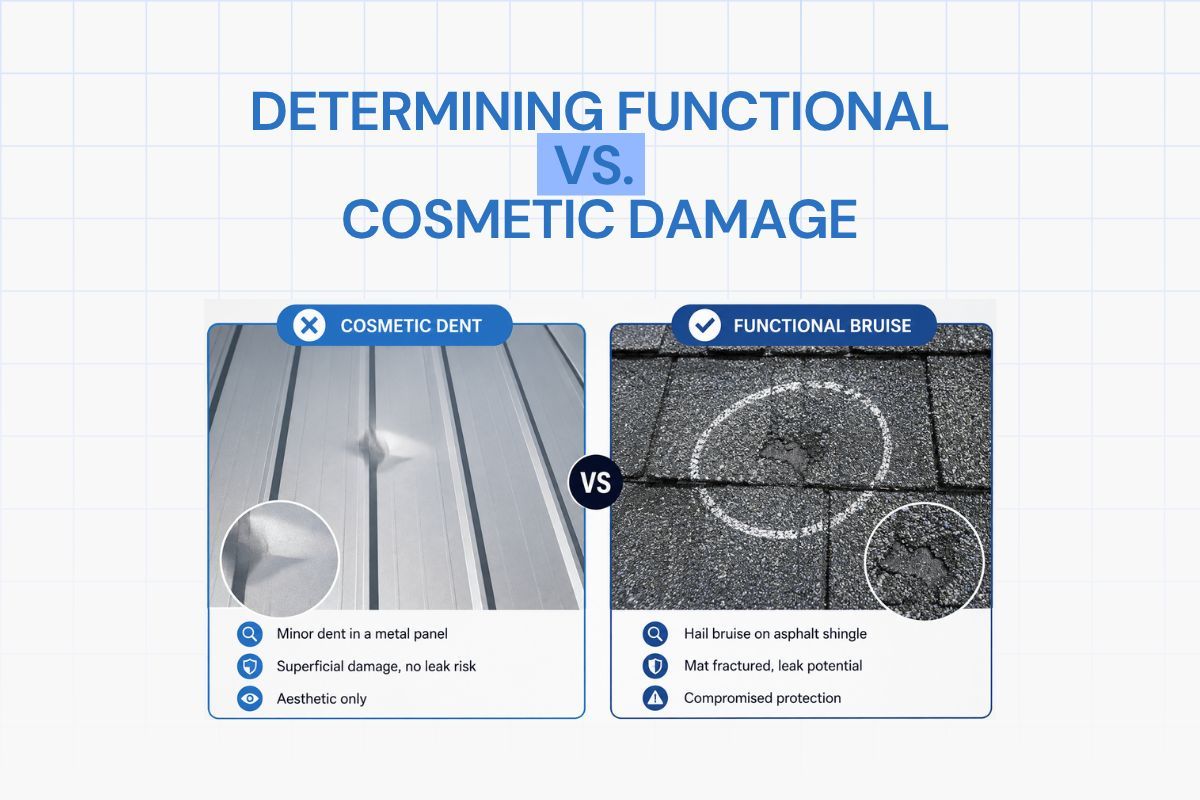
- Watch for signs of damage: If your roof has missing shingles, algae growth, or water stains inside your living space, repairs may be enough if the damage is localized. But if the entire roof shows signs of wear, sagging, or repeated leaks, the cost to replace becomes more sensible than piling on roof repairs.
- Consider geographical location and timing: Your geographic location influences both material costs and labor rates. For example, roofing companies in California or New York often charge more than those in Texas or the Midwest. Timing also matters; scheduling your roofing project during off-peak seasons can reduce installation costs and help you save money.
The choice between roof repairs and roof replacement isn’t just about the average cost; it’s about long-term value, protection, and peace of mind. By considering roof size, square footage, roof complexity, and the durability of different roofing materials, you can make a confident decision that fits both your budget and your home’s needs.
Don't wait until your damaged roof becomes a bigger problem. Get a free estimate from us today!
Conclusion
Deciding between roof repairs and a full roof replacement ultimately comes down to balancing roof replacement cost, the condition of your existing roof, and your long-term goals for your living space. While repairs can be a quick, affordable fix for missing shingles or minor leaks, they don’t always solve deeper issues. A new roof may carry a higher cost upfront, but it offers durability, stronger warranties, and peace of mind for decades.
Comparison table specifically tailored for homeowners' needs:
| Factors | Roof Replacement | Roof Repair |
|---|---|---|
| Cost | Lower upfront cost; typically covers small sections or specific issues | Higher upfront cost; full investment in a new roofing system |
| Scope | Fix leaks, damaged shingles, flashing, or localized problems | Removes the old roof and installs an entirely new system |
| Longetivity | Short-term solution; may extend roof life by a few years | Long-term solution; new roof lasts 20-50 years, depending on material |
| Best For | Minor damage, newer roofs, budget constraints | Major damage, aging roofs, frequent repairs, or when selling a home |
| Time Required | Usually completed in hours to a couple of days | Several days to weeks, depending on roof size and complexity |
| Aesthetic Impact | Limited patches may not perfectly match existing shingles | Complete refresh; improves curb appeal and property value |
| Risk | May mask deeper structural issues if damage is widespread | Eliminates hidden problems; ensures full structural integrity |
| Return on investment (ROI) | Lower ROI; temporary fix | Higher ROI; increases resale value and energy efficiency |
The smartest move is to weigh the actual cost, compare multiple quotes from local roofers, and choose the option that protects your home and budget best.
Ready to find out which option makes sense for your home? Contact our professionals today for a free estimate and compare multiple quotes to make the best decision.
What is the average roof replacement cost?
Between $5,000–$15,000 depending on roof size, roofing material, and labor rates.
How much does roof repair cost?
Anywhere from $300–$3,000, depending on the issue and roof type.
When should I replace a roof instead of repairing it?
If your roof is older than 20–25 years or has widespread damage.
Can roof repairs save money long-term?
Yes, if your roof is relatively new and the damage is minor.
Do roofing companies charge differently for repairs vs replacements?
Yes, installation costs and labor costs are higher for replacements.
Roof Replacement Cost Calculator Accuracy: How Close Are Online Estimates to Real Contractor Quotes?