Roof Replacement Cost per Square Foot Explained
- How per-square-foot pricing works
- National average roof replacement costs in 2026
- What factors increase or decrease pricing
- How homeowners can budget accurately and avoid surprise costs
Key Takeaways
- Roof replacement cost per square foot is the standard way contractors estimate project costs.
- The average cost ranges from $3–$25 per sq ft, depending on roofing material.
- Labor costs can account for 40–60% of the total per square foot price.
- Roof complexity, roof pitch, and geographic location influence the actual cost.
- Asphalt shingles are the most affordable, while slate tiles and clay tile roofs have a higher cost.
- Getting multiple quotes and checking warranties helps homeowners save money on per square foot pricing.
Roof Replacement Cost Per Square Foot: A Homeowner’s Complete Guide
Understanding roof replacement cost per square foot is like decoding the language of roofing contractors. Instead of vague estimates, this method gives you a clear, measurable way to calculate the replacement cost of your entire roof. Whether you’re replacing a single-story home roof with asphalt shingles or upgrading a two-story home with metal shingles, knowing the per square foot price helps you plan ahead, compare roofing companies, and avoid surprises.
What is The National Average Roof Replacement Cost Per Square Foot?
Roof replacement costs are influenced by material choice, roof size and complexity, labor rates, existing roof's condition, accessibility, required components, and permits. National average costs for full roof replacement in 2026 typically range from $9,500 to $28,000. The average roof replacement takes between one and three days, depending on material type and roof design.
- Asphalt shingle roofs: $3–$5 per sq ft. This is the most common choice for the average home because it balances affordability and durability.
- Architectural shingles: $4–$6 per sq ft. The architectural asphalt shingles cost more but last longer and improve curb appeal.
- Metal roofing: $7–$12 per sq ft. Options like standing seam metal or metal shingles are durable and energy-efficient.
- Clay tile roofs: $10–$18 per sq ft. Heavy and long-lasting, but with a higher cost due to specialized installation.
- Slate roofs/slate tiles: $15–$25 per sq ft. Considered premium materials, they offer unmatched longevity but come with the highest replacement cost.
- Wood shakes: $6–$9 per sq ft. Rustic and attractive, but require more maintenance.
For an average home with a roof size of 2,000-2,500 sq. ft., homeowners can expect to pay anywhere from $7,000 to $40,000, depending on the roof type and roofing material chosen. The more square footage your home has, the higher your cost will be. Remember that increases in roof angle result in more square footage on the roof.
Final project cost = roof square footage × per-square-foot price
Larger or more complex roofs increase the total investment.
While national averages shouldn’t replace local quotes, they offer valuable context. They help homeowners spot unrealistic bids, plan financing, and enter contractor discussions with realistic expectations.
Factors That Influence Per-Square-Foot Pricing
No two roofs are priced the same. Even within the same neighborhood, costs can differ significantly based on several key factors, which is why two homes of similar size can receive very different estimates.
1. Roofing Material
The choice of roofing material is the biggest deciding factor in your roof replacement cost.
- Asphalt shingles are the cheapest, but they have a shorter lifespan. The cost to replace a roof with asphalt shingles typically ranges from $5,840 to $10,100.
- Architectural shingles cost more but provide better durability.
- Metal roofing options like standing seam metal or metal shingles are long-lasting and energy-efficient.
- Clay tiles and slate tiles are premium materials with a higher cost, but they can last 50–150 years.
- Wood shakes offer a natural look but require more maintenance. Wooden shakes and shingles are relatively affordable, with replacement costs ranging from $10,230 to $15,500.
- Premium roofing materials like slate, clay, and copper are on the high end of the cost spectrum.
Compare pricing per square foot for materials like shingles, metal, and slate in our ultimate cost guide.
2. Labor Costs
Labor typically accounts for 40-50% of total roof replacement costs, with rates around $2–$7 per square foot or $200–$350 per square.
- Professional roofers in high-cost states charge more.
- Local roofers may offer better deals, but check for the contractor's warranty.
- Improper installation can lead to expensive roof repairs later.
- If the original roof has to be torn up and disposed of, the roofer will add this to their labor costs.
Most roofers are paid at a rate of about $130 per hour, and general roof laborers work for about $35 per hour.
3. Roof Complexity and Roof Design
The more complex your roof design, the more installation costs you'll face.
- A steep roof pitch requires more labor and safety equipment. The steeper the pitch of your roof, the larger the roof area and the more that needs to be replaced.
- A one-story home requires a larger roof footprint compared to a two-story home, which has a smaller roof area.
- Roofs with skylights, chimneys, or valleys add to project costs.
- A complex roof type increases the actual cost per square foot.
- The bigger the roof, the more materials and labor will be required.
Choosing the right roof type? See how different roof styles impact replacement pricing.
4. Geographic Impact on Roof Replacement Costs
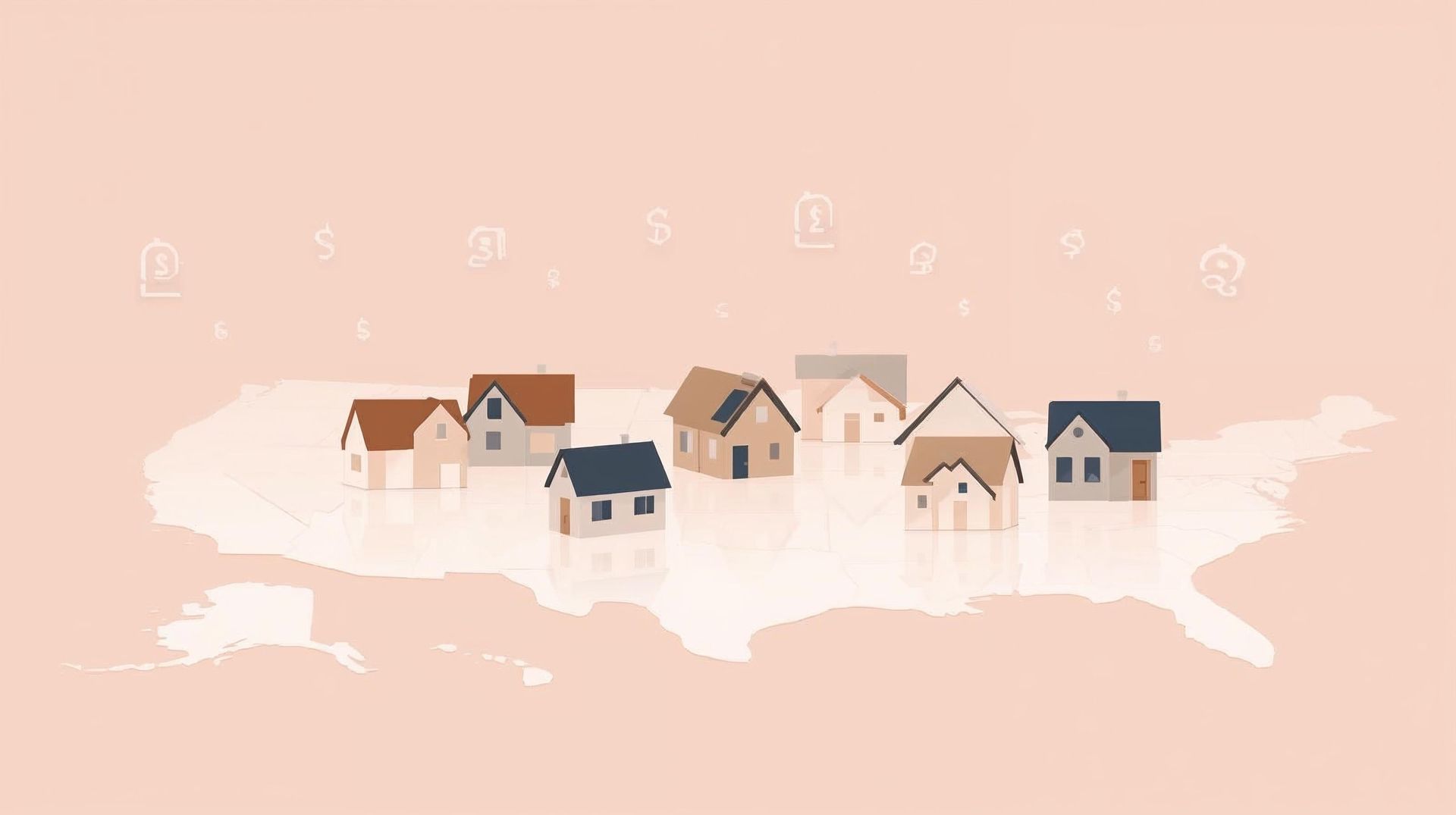
Your geographical location affects both material costs and labor rates.
- States with higher living costs (California, New York) have higher roof costs.
- Storm-prone states like Florida require stronger roof installation, raising replacement costs.
- Snow-heavy regions need durable metal roofing or architectural shingles.
- Labor costs fluctuate based on the area's cost of living and local economic conditions.
- Building codes and permit requirements vary by location, potentially adding to project costs.
Climate considerations drive pricing differences, as homes in regions with extreme weather may require additional materials or installation techniques.
Understanding these factors helps homeowners evaluate estimates fairly. A higher price isn’t always a red flag; it may reflect additional labor, better materials, or conditions that require extra care.
Roofing Material Comparison Per Square Foot (2026)
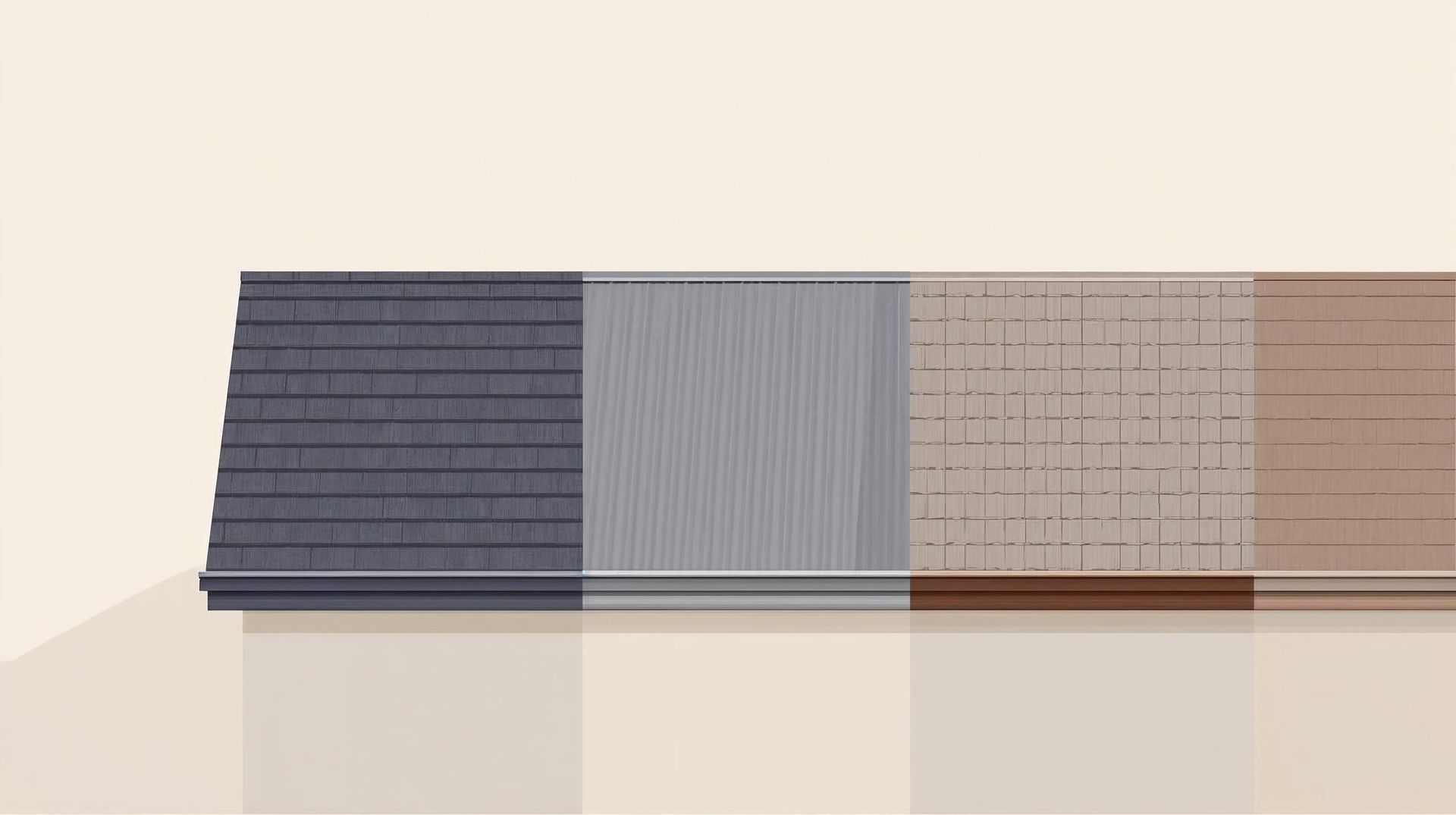
When planning a roof replacement project, comparing different roofing materials side by side helps you understand price ranges and durability. Choosing roofing material is as much about lifestyle and long-term plans as it is about budget. Here’s how common options compare on a per-square-foot basis.
- Asphalt shingles: $3–$5 per sq ft, lifespan 20–25 years.
- Architectural asphalt shingles cost: $4–$6 per sq ft, offering better durability and appearance.
- Metal roofing: $7–$12 per sq ft, lifespan 40–70 years, prized for longevity, energy efficiency, and low maintenance.
- Clay tile roofs: $10–$18 per sq ft, lifespan 50–100 years, bringing distinctive aesthetics and heat resistance.
- Slate roofs/slate tiles: $15–$25 per sq ft, lifespan 75–150 years, often lasting over a century when properly installed.
- Wood shakes: $6–$9 per sq ft, lifespan 20–30 years, offering natural beauty but requiring more maintenance and fire-resistant treatments.
Each material tells a different story about how long you plan to stay, how much maintenance you’re willing to handle, and how your home fits into its environment. The final price depends on your roof size, square footage, and whether you choose premium materials or more affordable options.
The best material isn’t always the cheapest or most expensive; it’s the one that aligns with your home’s structure, climate, and how long you plan to stay.
Tips for Managing Roof Replacement Cost per Square Foot
A roof replacement doesn’t have to feel like a financial ambush. While the numbers can add up quickly, homeowners who approach the project with a plan often find meaningful ways to control costs without compromising quality. Managing your roof replacement cost per square foot is less about cutting corners and more about making informed, well-timed decisions that work in your favor.
Practical ways to keep per-square-foot roofing costs under control:
- Request multiple quotes and detailed estimates: Always compare at least three estimates. Look beyond the final number and review what’s included: labor, tear-off, underlayment, permits, and cleanup can significantly affect the true cost per square foot.
- Ask for a free inspection and written breakdown: A proper roof inspection helps avoid surprise charges later. A clear breakdown ensures you’re paying for necessary work, not inflated allowances.
- Compare contractor and manufacturer warranties: A slightly higher per-square-foot cost can be worth it if it includes strong workmanship and material warranties that reduce long-term repair expenses.
- Consider roof repairs versus full replacement: If damage is localized, targeted repairs may extend your roof’s lifespan and delay the higher cost of a full replacement.
- Choose materials that match your roof design and climate: Selecting the right material for your home’s structure and environment prevents premature wear and unnecessary replacement costs. Also, ask your contractor if you can reuse any existing materials.
- Schedule your project during off-peak seasons: Late fall and early spring often come with lower demand, which can translate into more competitive per-square-foot pricing. Scheduling roof replacement during the off-season can save money on labor costs.
- Avoid unnecessary upgrades that don’t add value: Premium materials look appealing, but not every home needs the highest-priced option. Choose upgrades that align with your long-term plans.
In the end, managing roof replacement cost per square foot comes down to balance. By combining smart timing, careful comparison, and realistic material choices, you can protect your home without overstretching your budget. A roof is a long-term investment; making thoughtful decisions now helps ensure it pays you back in durability, comfort, and peace of mind.
Want to save on your next roof project? Try our free estimate calculator before you book contractors.
Signs You May Need a Roof Replacement
Roofs rarely fail without warning. Most give subtle and sometimes not-so-subtle signals long before serious damage occurs. Knowing what to look for can help you act early, avoid emergency repairs, and prevent small issues from turning into costly structural problems. Paying attention to these signs can also help you decide whether repair is enough or if a full roof replacement is the smarter move.
Common signs that a roof replacement may be necessary:
- Age of the roof: Asphalt shingle roofs typically last 20–25 years. If your roof is nearing or past this range, replacement is often more cost-effective than ongoing repairs.
- Missing, cracked, or curling shingles: Shingles that are damaged or no longer lying flat can’t properly protect your home from moisture and wind.
- Persistent leaks or water stains: Water marks on ceilings or walls often indicate underlying roofing failure, even if the leak appears small.
- Sagging roof lines or soft spots: A sagging roof can point to structural issues or trapped moisture, both serious concerns that usually require replacement.
- Rising energy bills: Poor roofing and ventilation allow heat to escape in winter and enter in summer, driving up heating and cooling costs
- Mold, mildew, or algae growth: These issues suggest long-term moisture retention, which can weaken roofing materials and impact indoor air quality.
- Frequent repairs add up over time: If you’re calling a roofer every year, replacement may be cheaper than continuing to patch an aging roof.
Recognizing these warning signs early puts you in control of the timeline and the budget. Instead of reacting to sudden damage, you can plan a roof replacement on your terms, compare per-square-foot costs, and choose materials that fit your home and lifestyle. When your roof starts sending signals, listening sooner rather than later can save you stress and money.
Timing your roof replacement can affect both cost and availability. Read our seasonal guide to know when prices tend to be higher and when you might save.
Conclusion: Is Roof Replacement Cost Per Square Foot Worth Understanding?
Calculating roof replacement cost per square foot gives homeowners clarity in a process that often feels overwhelming. By understanding how materials, labor, design, and location influence pricing, you gain control over one of the most important investments in your home.
Whether you choose asphalt shingles for affordability or slate tiles for long-term value, knowing the average cost per square foot helps you plan realistically and avoid unpleasant surprises.
Next step: Use a roof replacement cost calculator or request multiple estimates to find the true cost for your home.
Ready to find out your roof’s replacement cost per square foot? Reach out to our trusted professionals, request detailed estimates, and compare your options carefully. A well-informed decision today protects your home for decades to come.
What is the average cost of roof replacement per square foot?
The average cost ranges from $3-$25 per sq ft, depending on roofing material and labor costs.
How do labor costs affect per square foot pricing?
Roof replacement labor can account for 40-60% of the total cost, especially in high-cost states.
What roofing material is the cheapest per square foot?
Asphalt shingles are the most affordable, with costs starting around $3-$5 per square foot.
Does roof complexity change the per square foot cost?
A steep roof pitch or complex roof design increases installation costs per square foot.
Can I save money on the roof replacement cost per square foot?
Yes, by scheduling in off-peak seasons, comparing multiple quotes, and choosing cost-effective materials.
How do I know if I need a roof replacement?
Signs include missing shingles, algae growth, frequent roof repairs, and a roof older than 20-25 years.