Roof Replacement Cost Calculator vs Manual Estimation: Pros & Cons
January 6, 2026
Key Takeaways
Here is the bottom line on getting the right number:
- Safety: Manual estimation means climbing a ladder and risking a fall. A roofing calculator gives you the same data with zero physical risk.
- Speed: Measuring by hand can take all day. A cost calculator will give you a budget range in under 60 seconds.
- Accuracy: It is easy to make math mistakes with roof pitch and waste percentages while measuring manually. Algorithms like a calculator make the calculations much more reliable.
- Local Data: An accurate calculator uses your zip code to apply real local labor rates, making it far more accurate than a generic guess
- The Smart Move: Use a calculator to get your initial budget. Let the roofing contractor handle the dangerous measurements later.
Want a reliable baseline number without climbing a ladder?
Get your instant, personalized cost estimate here in under 60 seconds.
Roof Replacement Cost Calculator vs Manual Estimation: Pros & Cons
Why are calculators so popular? Mostly because measuring a roof by hand is surprisingly complex. Unlike measuring a flat room for flooring, a roof throws angles and slopes into the mix that make the math a bit tougher.
The Process (It’s More Than Just Tape)
If you decide to determine your roof dimensions yourself, it helps to know exactly what lies ahead. It is a bit more involved than a standard home improvement project.
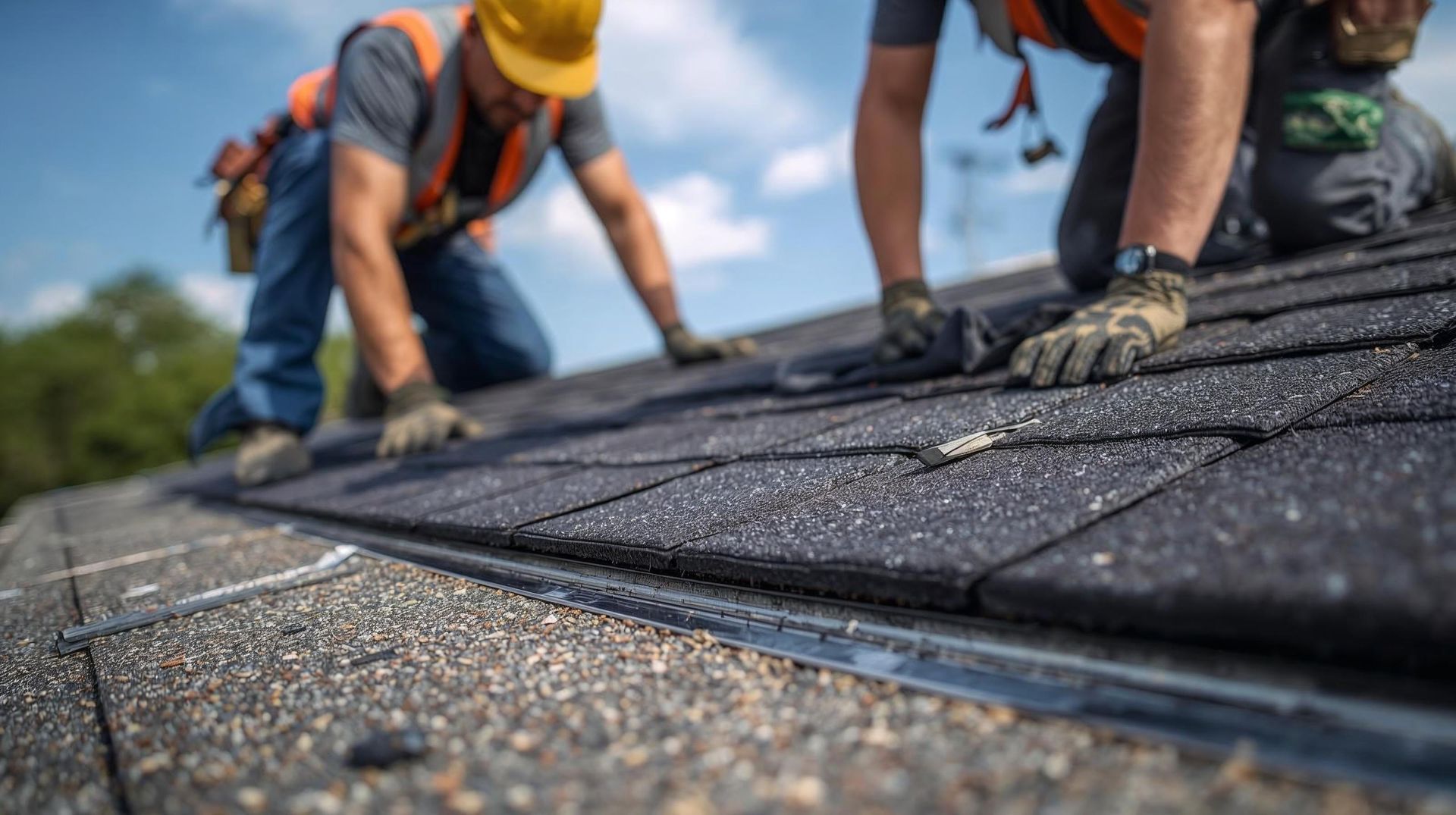
- The Climb: You will need a secure, tall extension ladder to safely access the eaves.
- The Measure: This step involves walking the perimeter of every slope. If your home has dormers, valleys, or a second story, you will likely find yourself unclipping and moving the ladder multiple times to reach different sections of the roof area.
- The Math: It’s not just about length and width; you also have to calculate the slope factor (pitch). Using the right mathematics is key here; otherwise, your calculation for the total area might be off.
- The Waste Calculation: Finally, don’t forget to manually add 10–15% for waste, ridges, and starter strips.
The Risks of DIY Measurement
- Physical Danger: Walking on a steep slope requires balance and care. It is a risky environment even for professional roofers. Without a harness, one slip can turn a free estimate into a safety hazard.
- Damage to Shingles: Walking on old shingles that are brittle can sometimes cause unintended damage, cracking the granules and potentially causing leaks.
- The "Hidden Costs" of DIY: To do this right, you generally need a 20ft ladder, a reliable tape measure, chalk, and safety gear.
- By the time you buy the equipment to measure the existing roof, you may find you’ve spent more time and money than you intended.
Why should you skip the ladder?
In these past years, technology has bridged the gap between rough guesses and professional quotes. You no longer need to be a math whiz or a stuntman to get a solid budget number.
Utilizing a specialized roof replacement cost calculator is often the most practical first step for homeowners, and for good reason, as:
1. It’s Safer (Zero Risk) This is the biggest advantage. You can gather all the necessary data from the safety of the ground. No ladders, no steep slopes, no risk of injury.
2. It Uses Localized Data (Zip Codes Matter) A manual measurement tells you how big the roof is, but it doesn't tell you how much it costs. This is where many estimates fall short, knowing the size, but not the price of the labor.
- Manual: You might measure 2,500 sq. ft., but without knowing the specific labor rate in your city (e.g., $3.00 vs $6.00 per square foot), it is just a guess.
- Digital Tools: By simply entering a zip code, these tools pull real-time data on local labor costs and material costs for that specific region, bridging the gap between "size" and "price."
3. It eliminates "Math Fatigue." Roof geometry is tricky. If you treat a sloped roof like a flat floor, you will end up calculating a number that is way too low, potentially leaving you short on materials.
Roofing calculators handle this math instantly. They automatically factor in the slope and the necessary waste (usually 10-15%) for you. This removes the guesswork and human error, giving you a much more accurate estimate of the total cost.
4. Time is money. While a manual estimate can be a multi-hour project involving setup, measuring, and calculation, a digital tool takes less than two minutes.
It allows you to run multiple scenarios like "What if I choose metal? What if I choose architectural shingles?" instantly. Doing that manually would require recalculating the material cost three times.
Calculator vs. Manual Estimates
If you are still on the fence, here is a direct comparison of how the two methods stack up in the real world when trying to determine your project cost.
| Feature | Online Calculator | Manual Estimation |
|---|---|---|
| Speed | < 2 Minutes | 2–4 Hours |
| Accuracy | Budget-Grade (+/- 10-15%) | Contractor-Grade (if done perfectly) |
| Safety Risk | Zero | High (Falls, Ladder slips) |
| Math Skills | None Required | Moderate (Geometry/Algebra) |
| Cost to Perform | Free | Cost of ladder/tape/time |
| Versatility | Compare different roofing materials instantly | Must re-calculate for every material |
The Verdict?
- Use Manual Estimation only if you are a professional roofing contractor preparing to order the exact number of nails and shingle bundles for a job starting tomorrow.
- Use the Calculator if you are a homeowner planning your budget, comparing loans, or checking if a contractor’s quote is reasonable. It is the perfect tool for the "Planning Phase."
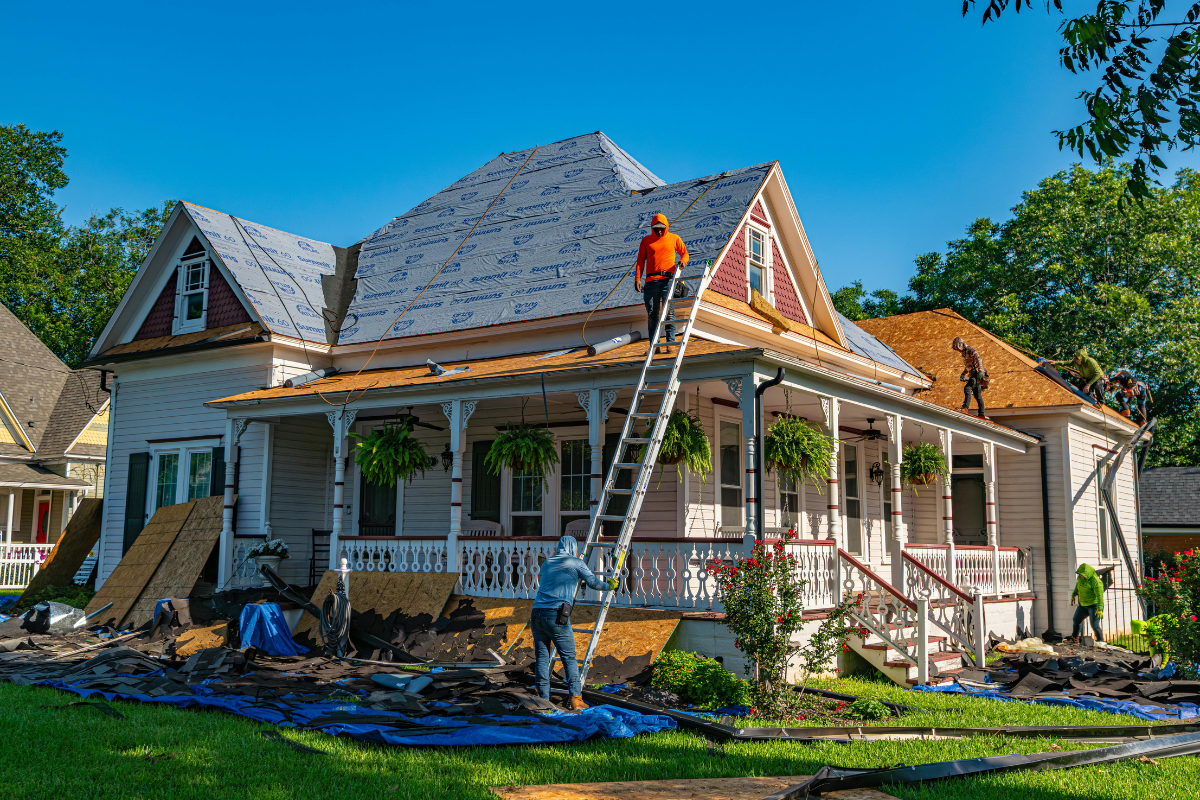
What Actually Drives the Cost? (And Why Manual Math Misses It)
Whether you use a digital tool or a tape measure, the final roof replacement cost depends on specific variables. Calculators are programmed to account for these "hidden" factors, whereas manual estimation often overlooks them.
1. Labor Costs and Rates
Labor costs account for a large portion (roughly 60%) of the overall cost.
- The Reality: It is easy to look at shingle prices online and assume that is the bulk of the expense. However, labor rates vary hugely by zip code.
- A good roofing calculator automatically factors in these local rates, ensuring you don't underestimate the total bill.
2. Tear-Off and Disposal Costs
Before the new roof goes on, the old materials must come off.
- The Variable: Removing old shingles is heavy work that requires dumpsters and landfill fees. If you have two layers of existing roofing material, the disposal costs and labor time double.
- Calculators typically build in an average buffer to account for this expensive step.
3. Material Choice and Complexity
The type of roofing material you choose swings the price wildly.
- The Comparison: Asphalt shingle roof replacement is generally the most affordable, while switching to metal roofs can triple the material cost.
- Calculators let you toggle between asphalt shingles, metal, and tile roofing in seconds to see how the estimated cost changes.
4. System Components (The "Forgotten" Parts)
A roof is more than just shingles. It includes the roof's underlayment, ventilation, flashing, and gutters.
- The Advantage: Manual estimates often forget to price out these small but vital parts. A calculator assumes a "whole system" replacement, ensuring these additional costs are included in the final cost.
Conclusion: Work Smarter, Not Harder
There is a time and place for manual measurement; usually, that time is after you have hired a pro and they are finalizing the order.
For you, the homeowner, the goal is clarity. You need to know if this roofing project is going to cost $8,000 or $18,000 so you can arrange financing or savings.
Ultimately, the goal is to get a clear budget so you can plan ahead. A replacement cost calculator offers the fastest, safest path to that answer, allowing you to bypass the ladder work and focus on finding the right contractor for the job.
Ready to get a reliable number without the risk?
Use our free Roof Replacement Cost Calculator now and get your estimate in seconds.
Are online roof cost calculators actually accurate?
Yes, they are highly reliable for creating a realistic budget. A reputable replacement cost calculator uses local market data to give you a very close ballpark range. It is the best way to get a solid baseline number before talking to pros.
Is it better to measure the roof myself or use a calculator?
For the vast majority of homeowners, the calculator is the smarter choice. Manual measurement is physically dangerous and involves complex math (like calculating pitch and waste) that is easy to mess up. A digital tool handles that geometry instantly and safely, saving you hours of work.
Can I use the calculator estimate to vet contractors?
Absolutely. The estimate serves as a great check. If a roofing contractor gives you a quote that is double what the calculator predicted, it empowers you to ask specific questions about why their price is higher. It keeps you from going into negotiations blind.
Does the calculator work for different materials?
Yes, and this is its biggest strength. You can instantly toggle between asphalt shingles, metal roofing, and tile to see how the price difference fits your budget.
Doing this comparison manually would require starting your math from scratch for every single material type
Is a calculator estimate a substitute for a professional quote?
Think of the calculator as your "Phase 1" planning tool. It helps you set a financial goal, arrange financing, and understand the market.
A free estimate from a professional is "Phase 2" as it confirms the exact details and handles the logistics. You need both, but the calculator comes first.
Roof Replacement Cost Calculator Accuracy: How Close Are Online Estimates to Real Contractor Quotes?