Roof Replacement Cost in Georgia: Atlanta vs Rural County Pricing (2026)
August 3, 2026
Roof replacement in Georgia costs between $7,500–$17,000 in the Atlanta metro area and roughly $5,500–$11,000 in rural counties, depending on roof size, roofing materials, labor costs, and storm damage severity. For Georgia homeowners, the price of a new roof isn’t as simple as “X dollars per square foot.” Because we’re in the hail corridor, insurance claims drive the process. Your deductible and the adjuster’s verdict decide whether you’re covering a small share or swallowing the full cost.
In Metro Atlanta, roofing prices climb higher than the national average thanks to rising labor costs, strict permit rules, and the sheer demand for qualified crews. Add in the fact that many homes have complex roof designs, and estimates can quickly balloon. Out in rural counties, installation costs are usually lower, but limited crew availability and sudden demand after big storms can still drive prices up.
And because Georgia roofs take a beating from heavy rain, hail, and aging asphalt shingles, calculating the “true” cost of replacement goes way beyond a simple price per square foot. It’s about timing, insurance, local labor, and materials that can actually withstand the state’s weather. Want a more localized estimate based on your roof size, roofing system, and county? Use our free roof replacement cost calculator to compare pricing for your exact location before starting your roofing project.
Key Takeaways
- Roof replacement costs in Georgia range from roughly $7,500 to $17,000 in Metro Atlanta and $5,200 to $11,000 in most rural counties. These costs depend on roof size, roofing materials, labor costs, and storm damage.
- Georgia’s roofing market largely relies on insurance because the state often faces hailstorms, heavy rain, and severe weather, particularly in North Georgia and Metro Atlanta.
- Roofing costs in Atlanta are significantly higher than in rural areas because of greater labor demand, permit fees, a high volume of insurance restorations, and longer wait times for contractors after storm season.
- Architectural asphalt shingles are the most common roofing material in Georgia. However, metal roofing and Class 4 impact-resistant shingles are becoming more popular due to their durability and longer lifespan.
- Homeowners in Georgia should understand the complete insurance claim process before replacing a roof. This includes adjuster inspections, replacement cost coverage, supplements, and verifying contractor licenses.
- The final cost of a roof replacement depends on several key factors. These include roof pitch, square footage, roof complexity, material choice, decking condition, and whether any hidden storm damage is found during the tear-off.
Atlanta vs Rural Georgia Roofing Costs at a Glance
Georgia’s roofing market is quite different from those in most states. Frequent hailstorms, heavy rain, insurance-driven roof replacements, and significant price differences between Metro Atlanta and rural areas cause roof replacement costs to vary more than many homeowners think. This guide discusses asphalt shingles, metal roofing, insurance claims, and contractor pricing. It outlines the main factors that influence roof replacement costs in Georgia and what homeowners can realistically expect in 2026.
Roof Replacement Cost in Georgia (2026 Overview)
The average cost of replacing a roof in Georgia usually runs anywhere from $5,200 to $17,000, but the number alone doesn’t tell the whole story. Where you live, the shape of your roof, the materials you choose, and even how busy insurance claims keep local crews all play into the final bill.
In Metro Atlanta, prices sit at the top end of the range. Contractors are in high demand, permits add extra steps, traffic slows down projects, and hail damage keeps insurance claims flowing, all of which push estimates higher than the national average.
Head out to North and South Georgia’s rural counties, and costs per square foot tend to be lower. But limited roofing companies, longer travel distances, and sudden spikes in demand after storms can still drive up what you pay.
Meanwhile, coastal areas like Savannah face their own challenges. Humid weather, heavy rain, and salt‑laden air mean roofs need stronger systems and moisture-resistant underlayment, which adds to the price tag.
Enter your Georgia zip code here to see a personalized roof replacement cost based on local labor rates, material choices, and roofing conditions in your area. You can also include Class 4 shingle upgrades if you are comparing long-term durability options.
Here is how a simple roof replacement pricing compares across major Georgia regions in 2026:
| Area | Avg Cost (1,800 sq ft) | Cost per Sq Ft | Primary Driver |
|---|---|---|---|
| Atlanta Metro (Intown) | $11,000-$17,000 | $6.25-$9.50 | Labor demand, permit fees, congestion |
| Atlanta Suburbs (OTP) | $8,500-$14,000 | $4.75-$8.00 | Mixed market, high insurance claim volume |
| Savannah / Augusta | $7,500-$12,500 | $4.25-$7.00 | Coastal humidity and moisture exposure |
| Columbus / Macon | $6,500-$11,000 | $3.75-$6.25 | Mid-market labor rates |
| Rural North Georgia | $5,500-$9,500 | $3.25-$5.50 | Lower labor costs, possible travel surcharges |
| Rural South Georgia | $5,200-$8,500 | $3.00-$5.00 | Lowest labor rates in the state |
Most homeowners in Georgia install architectural asphalt shingles because they offer a strong balance between curb appeal, durability, and overall roof cost. However, metal roofing, standing seam metal systems, and premium roofing materials are becoming increasingly common in areas frequently affected by heavy rain, hail, and storm damage.
The final cost to replace a roof in Georgia will vary depending on several key factors, including roof pitch, total square footage, existing roof condition, material cost, roof installation complexity, and whether the project is insurance-driven. Homes with steep roof designs, complex roof layouts, or visible wood rot underneath the old roof will usually see higher labor costs and more materials added to the roofing project overall.
Georgia's Hail Belt: How Storm Damage Affects Roofing Costs
Georgia experiences some of the most active hail-related roofing damage in the Southeast, particularly across the northern half of the state. According to the National Weather Service's severe weather climatology for North and Central Georgia, large hail strikes the Atlanta-area forecast zone on an average of 7 days per year, with April marking the peak month for hail activity. The complete historical record of individual hail reports, searchable by county and date, is available through NOAA's own Storm Events Database. Unlike many states where roof replacement is mostly age-driven, a large percentage of roof replacement projects in Georgia begin after storm damage inspections.
This constant cycle of hail activity has a direct impact on the roof installation process across Metro Atlanta and nearby counties. Labor shortages, insurance restoration demand, and material pricing spikes during storm season can all increase the final cost of a roof, especially for homeowners waiting until peak hail months to schedule roof installation.
Georgia Counties With the Highest Hail Risk
The highest concentration of hail-related roofing claims is typically found across North Georgia and Metro Atlanta counties. NOAA storm data consistently shows stronger hail activity across:
- Hall County
- Forsyth County
- Cherokee County
- Gwinnett County
- Cobb County
These areas experience frequent severe thunderstorms, heavy rain, and wind-driven storm systems that accelerate roof damage over time. Homeowners in any of these counties can pull their own address-specific hail history directly from NOAA's Storm Events Database by searching the county name and event type "hail." Contractors across these counties often handle high volumes of insurance claim inspections throughout spring and early summer, particularly for asphalt shingles and older roofing systems already weakened by Georgia's weather conditions.
How Hail Damage Impacts Roof Replacement Cost
Not all hail damage is treated the same during a roofing estimate or insurance inspection. Insurance adjusters generally separate damage into three categories:
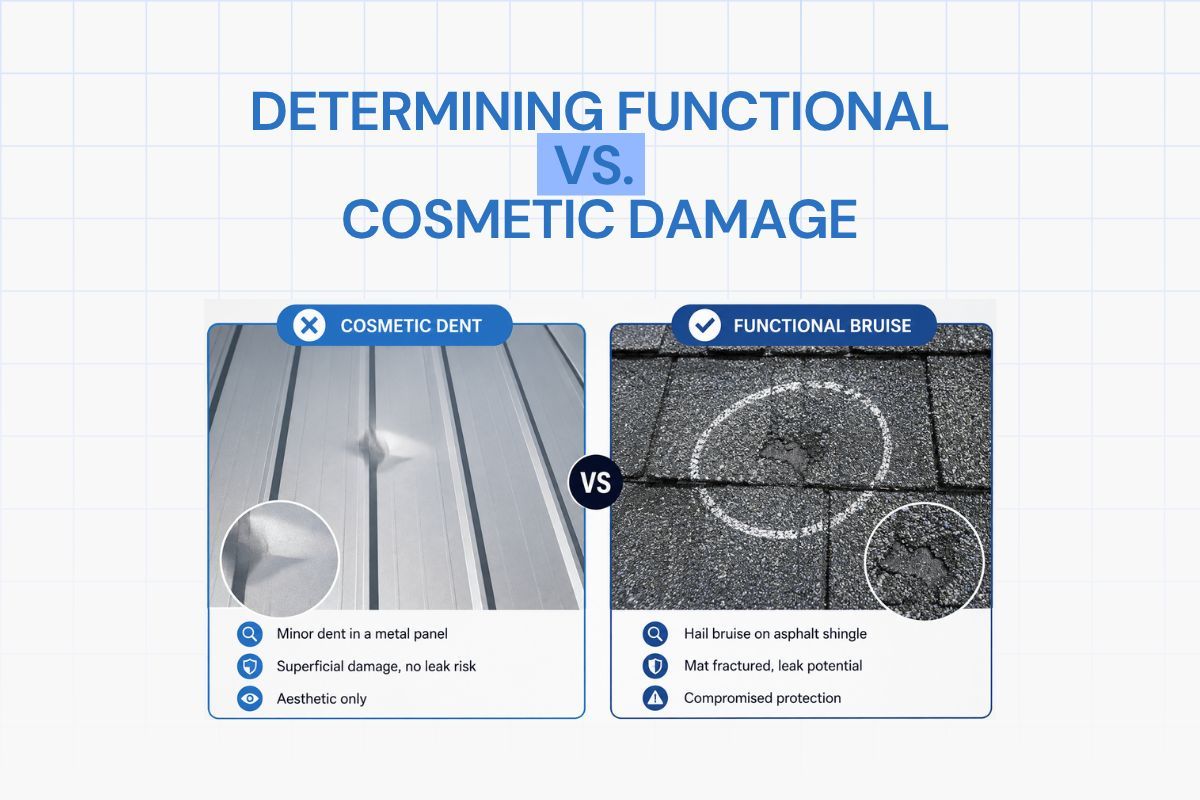
- Granule Loss: Minor hail impact may strip protective granules from asphalt shingles without immediately exposing the roofing system underneath. Some insurance companies may classify this as cosmetic wear instead of functional roof damage.
- Functional Damage: When hail cracks shingles, weakens underlayment, exposes decking, or compromises waterproofing, the roof replacement cost increases substantially because the existing roof can no longer properly protect the house.
- Cosmetic Damage: Dents on metal roofing, visible marks on shingles, or surface bruising may affect curb appeal without creating immediate leaks. Coverage approval for cosmetic damage varies depending on the insurance policy and roofing materials installed.
For many Georgia homeowners, the difference between cosmetic and functional damage determines whether insurance covers a full roof replacement or only partial repairs. Check our blog on How to Spot Roof Hail Damage: A 2025 Insurance Guide to identify damage, document claims, and connect with trusted roofing contractors after a hailstorm.
Hail Season Pricing Surges Across Georgia
Roofing prices across Georgia often rise sharply between April and June when hail season activity peaks. During major storm periods, contractor availability can drop by 30–40% as roofing companies shift toward emergency insurance restoration projects across Metro Atlanta and nearby counties.
This surge in demand affects:
- Labor costs
- Material cost availability
- Roof installation scheduling
- Insurance claim processing timelines
Homeowners needing immediate roof replacement after major hail events may also face rush pricing premiums ranging between 10–20%, especially for steep roof projects or complex roof systems requiring specialized labor.
Why More Georgia Homeowners Are Choosing Class 4 Shingles
Class 4 impact-resistant architectural shingles are becoming increasingly popular across Georgia because they offer better protection against hail damage and long-term insurance savings. Under Georgia Insurance Commissioner-approved programs, many insurers offer premium discounts for impact-resistant roofing materials that meet UL 2218 Class 4 standards.
Although Class 4 shingles increase the upfront roof replacement cost, the lower insurance premiums often offset the higher installation cost within a few years.
| Shingle Class | Hail Resistance Rating | Cost Premium vs Standard | Insurance Discount (GA Avg) |
|---|---|---|---|
| Class 1 / 2 (Standard) | Low-Medium | Baseline | None |
| Class 3 | Medium-High | +$500-$1,200 | 5-10% |
| Class 4 (UL 2218) | Highest | +$1,400-$2,800 | 20-28% |
For homeowners living in hail-prone counties, upgrading from standard asphalt shingles to Class 4 architectural asphalt shingles can improve roof durability, reduce future storm damage risk, and lower long-term insurance-related roofing costs significantly.
The Georgia Roof Insurance Claim Process (Step by Step)
In Georgia, many roof replacement projects begin with an insurance claim rather than a planned roof installation. Because hail damage, heavy rain, and severe storm activity are so common across Metro Atlanta and North Georgia, understanding how the insurance process works can directly affect your final roof replacement cost, claim approval timeline, and out-of-pocket expenses.
The most successful insurance-backed roofing projects usually follow a very specific process. Missing documentation, hiring the wrong contractor, or misunderstanding policy terms can lead to delays, underpayment, or partial denial of the claim.
Step 1: Document the Roof Damage Immediately
After a major storm, document all visible roof damage within the first 24–48 hours if possible. Take clear photos of:
- Missing or lifted asphalt shingles
- Granule loss
- Dents on metal roofing or gutters
- Interior leaks or moisture spots
- Fallen branches or storm debris
- Damage around chimneys, flashing, or ridge vent areas
It also helps to confirm the storm date using NOAA storm event records for your county. Many insurance adjusters use this information when validating storm damage claims in Georgia.
Step 2: Contact Your Insurance Company and File the Claim
Once damage is documented, contact your insurer and officially open the insurance claim. Under Georgia Department of Insurance guidelines, insurers are generally required to acknowledge claims within 10 days.
At this stage, homeowners are usually assigned:
- A claim number
- An adjuster appointment
- Initial claim documentation requests
The faster the claim is filed after storm damage, the easier it is to connect the roof damage directly to the weather event.
Step 3: Have Your Roofing Contractor Present During the Adjuster Inspection
One of the biggest mistakes Georgia homeowners make is allowing the adjuster to inspect the existing roof alone. Experienced roofing companies typically recommend having a roofing contractor on site during the inspection process.
This matters because adjusters may overlook:
- Soft hail bruising on architectural shingles
- Hidden decking damage
- Underlayment issues
- Steep roof safety concerns
- Water intrusion beneath old shingles
A contractor can also point out roof complexity and other factors that may affect the final roofing estimate and replacement cost.
Step 4: Review the Estimate of Loss (EOL) Carefully
After the inspection, the insurer provides an exact Estimate of Loss, commonly called the EOL. This document outlines:
- Approved roofing materials
- Labor costs
- Roof size calculations
- Depreciation deductions
- Total replacement cost payout
Most Georgia homeowners carry Replacement Cost Value policies, also known as RCV coverage, which typically pays for the full roof replacement after deductible requirements are met. Actual Cash Value policies, or ACV policies, reduce payouts based on the age and condition of the old roof.
Step 5: If the Claim Is Denied or Underpaid
Not every insurance claim is approved fairly on the first inspection. If the payout feels too low or coverage is denied, homeowners still have several options:
- Request a second inspection
- Hire a public adjuster
- Trigger the appraisal clause in the policy
- File a complaint with the Georgia Department of Insurance
Many underpaid claims involve disagreements over whether roof damage is cosmetic or functional.
Step 6: Choose the Right Roofing Contractor
After claim approval, choose a licensed roofing contractor carefully. Georgia sees a large influx of out-of-state storm chasing roofing companies after major hail events, particularly around Metro Atlanta.
Before signing a contract:
- Verify the contractor through the Georgia State Licensing Board
- Check the Better Business Bureau history
- Confirm insurance coverage
- Review material warranties
- Ask for local project references
The best roofing contractor is not always the cheapest estimate. Proper installation, documentation, and supplement handling matter just as much as material cost.
Step 7: File Supplements for Hidden Damage
Once roof installation begins and old shingles are removed, contractors sometimes discover additional wood rot, damaged decking, moisture intrusion, or ventilation issues hidden beneath the current roof.
When this happens, the contractor should:
- Photograph the damage immediately
- Submit updated documentation
- File a supplement request with the insurer before repairs continue
Supplement approvals are common in Georgia roofing projects because storm damage underneath the roofing system is not always visible during the initial inspection.
Red Flag list for Georgia Homeowners:
Be cautious of roofing companies that:
- Offer to waive your deductible, which is illegal in Georgia
- Ask you to sign a Direction to Pay before work begins
- Cannot provide a valid Georgia contractor license number
- Pressure you into immediate roof replacement after storms
- Avoid written roofing estimates or warranty details
Legitimate contractors will clearly explain the insurance claim process, thoroughly document the damage, and provide transparent pricing before installation begins.
Atlanta Metro vs Rural Georgia: Why the Price Gap Exists
The roof replacement cost in Georgia can vary widely depending on where the property is located. A new roof cost in Metro Atlanta often goes thousands more than a similar roofing project in a rural county, even when the same roofing materials and square footage are used.
The main reasons for this price gap are labor demand, permit costs, material delivery, and the high volume of insurance-claim-driven roof replacement work across the Atlanta metro area.
1. Higher Labor Demand in Metro Atlanta
Metro Atlanta’s large population and constant storm-related roofing demand keep contractors booked for weeks during peak season. In many areas, contractor wait times can stretch between 4 and 8 weeks after major hail or heavy rain events.
Rural counties usually have shorter wait times, often around 1–2 weeks, which helps keep labor costs lower. Atlanta homes also tend to have steeper roof pitch designs, larger roof size layouts, and more complex roof structures that require more labor and increase installation costs.
2. Material and Delivery Costs
Metro Atlanta has several roofing material distribution centers, making asphalt shingles, metal roofing, and other common roofing materials easier to access quickly. Rural Georgia homeowners may pay an additional $200–$600 for material delivery, depending on location and roof complexity.
This extra cost is more common on projects involving:
- Standing seam metal roofing
- Tile roofs
- Premium roofing materials
- Large roofing systems
3. Permit Costs Are Higher in Atlanta Counties
Permit fees also affect Atlanta roofing costs significantly. Counties like Fulton, DeKalb, and Gwinnett commonly charge between $150–$400 for residential roofing permits, while many rural counties charge closer to $50–$150.
Projects involving steep roof systems, structural repairs, or commercial buildings may require additional approvals under local building codes.
4. Insurance Restoration Changes Pricing
Many Metro Atlanta roofing companies specialize in insurance restoration work because storm damage claims are so common across the region. This affects how contractors build a roofing estimate, since pricing is often based on insurance-approved replacement cost values rather than simple retail pricing.
In rural Georgia, more homeowners pay directly out of pocket for roof replacement, which usually creates lower estimated costs overall.
If the damage is limited or only affects part of the roof, many homeowners also compare whether a full replacement is necessary or if repairs are enough. Our guide on Roof Repair vs. Roof Replacement | Cost guide + Calculator helps break down that decision clearly.
Georgia-Specific Material Considerations
Georgia’s climate has a direct impact on how long a roof lasts, how often repairs are needed, and how much homeowners ultimately spend on roof replacement. Between year-round humidity, hailstorms, heavy rain, intense heat, and coastal moisture exposure, roofing materials in Georgia need to handle far more stress than they would in milder regions. That is why many roofers across the state recommend choosing roofing systems based not only on appearance or roof cost, but also on long-term durability under Georgia’s weather conditions.
1. Humidity Makes Algae-Resistant Shingles Almost Essential
- Moisture is the first major problem a roof faces.
- High humidity levels, especially around Metro Atlanta and central Georgia, create ideal conditions for algae streaking and moisture buildup on asphalt shingles.
- Over time, this can affect both curb appeal and the lifespan of the existing roof. Because of this, algae-resistant architectural shingles with copper or zinc granules have become one of the most commonly recommended roofing materials in the state.
- They usually increase material cost by around $150–$400 compared to standard asphalt shingles, but they help roofs stay cleaner and better protected against long-term moisture exposure.
2. Hail Damage Is Changing Which Roofing Materials Homeowners Choose
- Humidity is not the only challenge Georgia roofs face. In North Georgia and many Metro Atlanta counties, repeated hailstorms are pushing homeowners toward stronger impact-resistant roofing systems.
- This is where Class 4 architectural asphalt shingles have become increasingly popular. These shingles are designed to handle storm damage more effectively than traditional roofing materials, making them a practical option for areas with frequent insurance claims. While the roof replacement cost is higher upfront, many homeowners recover part of that extra cost through lower insurance premiums and fewer storm-related repairs over time.
- For homeowners planning to stay in the house long term, the added durability often outweighs the initial installation cost.
3. Metal Roofing Continues to Grow Across Georgia
- As homeowners look for roofing systems that can better handle Georgia’s weather conditions, metal roofing has become much more common across the state. Many roofing contractors now recommend standing seam metal systems for homes regularly exposed to heavy rain, heat, hail, and strong seasonal storms.
- Compared to asphalt shingles, metal roofing offers a much longer lifespan and typically requires fewer repairs. In Georgia’s climate, a traditional asphalt roof may last around 20–25 years, while a properly installed metal roof can often last 40 years or more.
- If you are comparing long-term value versus upfront cost, this breakdown on metal roof replacement cost vs long term value explains how metal roofing performs financially over time in real home scenarios.
- Although the upfront roof cost is higher, many homeowners choose metal roofing because of its superior durability, lower maintenance needs, and stronger protection during severe weather.
4. Coastal Georgia Homes Require Extra Protection
- The roofing challenges become even more demanding near Georgia’s coastline. Homes around Savannah, Brunswick, and nearby coastal areas deal with constant salt air exposure, which can slowly corrode flashing, fasteners, gutters, and exposed metal components over time. Because of this, contractors in coastal Georgia often recommend upgraded waterproof underlayment, corrosion-resistant fasteners, and higher-grade flashing systems during roof installation.
- These materials can increase the overall roof replacement cost by roughly 5–10%, but they help protect the roofing system from moisture-related deterioration and extend the life of the roof in coastal conditions.
In many cases, choosing the right roofing materials in Georgia is less about finding the cheapest option and more about selecting a roofing system that can realistically handle the state’s climate for decades.
What Georgia Roofing Contractors Charge in 2026
The cost to replace a roof in Georgia is made up of several moving parts, not just shingles and labor. Roofing estimates can vary depending on roof size, roof pitch, material cost, local permit fees, and the condition of the existing roof underneath the old shingles. While Atlanta roofing costs tend to run higher because of labor demand and insurance restoration volume, many of the core roofing materials themselves remain fairly similar across the state.
The biggest pricing difference usually comes from labor costs, tear-off complexity, and how much repair work is needed beneath the roofing system once installation begins.
| Cost Component | Atlanta Metro | Rural Georgia | Notes |
|---|---|---|---|
| Labor (per square) | $85-$140 | $55-$90 | Highest in in-town Atlanta |
| Architectural shingles (per sq) | $100-$160 | $95-$150 | Similar materials, same distributors |
| Tear-off (per sq) | $40-$75 | $30-$55 | More layers common in older metro homes |
| Permits | $150-$400 | $50-$150 | Varies by county |
| Decking replacement (per sq ft) | $2.50-$4.50 | $2.00-$3.50 | More common in older rural homes |
Labor costs remain one of the biggest factors affecting roof replacement cost in Georgia, especially across Metro Atlanta, where roofing contractors handle large volumes of insurance claim work after storm season. Homes with steep roof designs, multiple roofing layers, or complex roof structures usually require more labor and increase installation costs.
Tear-off pricing can also rise if the existing roof has old shingles, hidden wood rot, or damaged decking underneath. While architectural asphalt shingles remain the most common choice for Georgia homeowners, premium materials like standing seam metal and impact-resistant shingles typically come with higher material and labor costs.
Conclusion
Roof replacement costs in Georgia continue to shift because of storm damage trends, insurance restoration demand, and rising labor costs across larger metro areas. That is why homeowners often see major pricing differences between Atlanta roofing projects and rural county installations.
Before moving forward with your roofing project, use our free cost calculator to estimate costs based on your exact location, roof type, and material choice. If you would like additional help understanding your estimate or roofing options, our team is available through the Contact Us page.
Does insurance cover roof replacement in Georgia?
If storm damage (hail, wind) caused the failure, yes. Most Georgia homeowners' policies cover full replacement cost minus your deductible. Wear-and-tear and age-related failure are typically excluded. The Georgia Insurance Commissioner requires insurers to provide written denial reasons within 15 business days.
What is the average cost to replace a roof in Atlanta?
The average roof replacement cost in Atlanta is $8,500–$14,000 for a standard 1,800 sq ft home with architectural shingles. Higher-end materials, steep pitches, or complex rooflines can push that to $17,000+.
Is a contractor's license required for roof replacement in Georgia?
Yes. Any roofing job over $2,500 requires a Georgia State-licensed contractor. You can verify license status at sos.ga.gov. Never sign a contract with an unlicensed contractor; it can void your insurance claim.
When is hail season in Georgia?
Georgia's peak hail season is March through June, with the highest frequency in the northern piedmont counties. A secondary season occurs in November–December. Post-storm contractor availability drops significantly in these months.
Roof Replacement Cost Calculator Accuracy: How Close Are Online Estimates to Real Contractor Quotes?