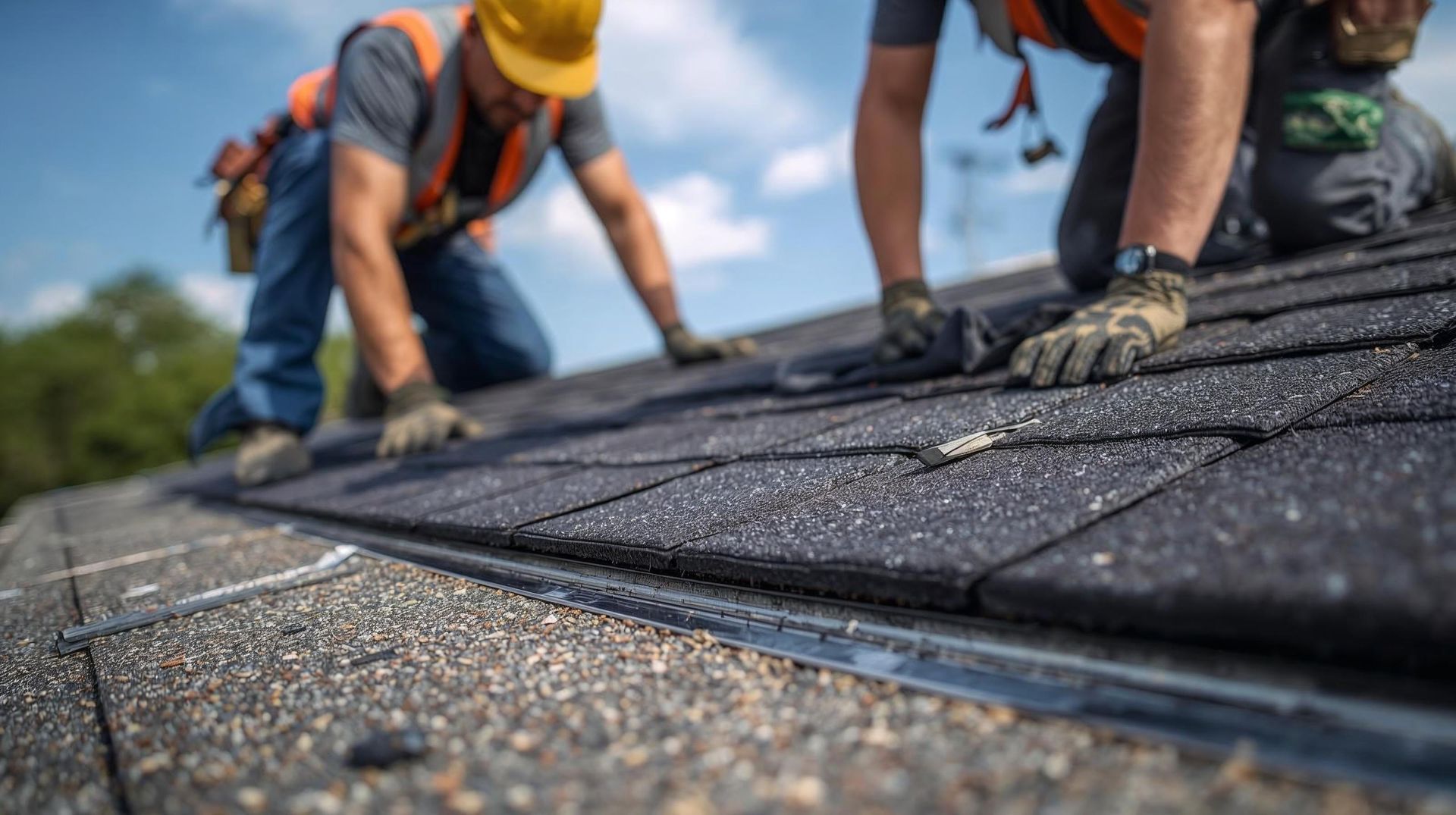
Roof replacement cost in Texas: 2026 city-by-city guide
May 7, 2026
Texas leads the U.S. in roofing volume, yet what you expect to pay is only a portion of the story; costs shift dramatically across regions.
A booming city and a small town can have completely different crew availability and hourly rates. Add in widely different weather, such as humid summers and hurricane risks in Houston, pushing homeowners toward durable metal roofs.
Yet despite these differences, most online guides still lump Texas into a single “national average” that doesn’t reflect what families and contractors actually face. Homeowners are confused because broad, national figures erase the local details that actually drive price.
That’s why this 2026 city‑by‑city guide to roof replacement costs in Texas focuses on what matters most: real local pricing in Houston, Dallas, Austin, San Antonio, Fort Worth, and El Paso. Let us help you understand how claims, deductibles, and adjuster practices affect the roof installation costs.
Key Takeaways
- Texas roof costs vary by $3,000-$8,000+ between cities for the same house, making state-wide averages useless.
- Climate determines material necessity, which determines cost. Wrong material = premature failure and double costs.
- Labor accounts for 40-60% of your bill. Knowing your local labor market lets you time replacement for savings.
- Insurance claims significantly distort Texas roofing economics. The state leads the nation in roof claims.
- Local contractors know local rates. Price outliers reveal scope differences or quality tiers. A single detailed quote without comparison leaves you vulnerable to overpaying by 15-25%.
Roof Replacement Cost in Texas by City (2026 Breakdown)
Understanding the roof replacement cost in Texas starts with one simple truth: where you live changes everything. A homeowner in Houston may pay significantly more than someone in El Paso for the same roof size, simply due to labor demand, weather exposure, and material preferences. This is why relying on national averages often leads to inaccurate expectations.
When you break it down city by city, patterns become clearer. Urban markets with higher demand and stricter building codes tend to push prices up, while smaller cities may offer more competitive labor rates. Looking at Texas roof replacement cost by city helps you make smarter decisions, whether you're budgeting, comparing quotes, or planning the right time to replace your roof.
Why National Roof Replacement Cost Averages Don’t Work in Texas
National averages are calculated by blending costs from states like California to Connecticut, which sounds useful but rarely reflects what you’ll actually pay in Texas. In reality, a single roof replacement quote can vary by $3,000 to $8,000 or more between cities for the exact same job. Same square footage. Same roofing material. Yet the final price can be thousands apart.
- Roof size & pitch: Bigger roofs mean more materials and more time on ladders. Roof complexity, including architectural features, chimneys, and skylights, can increase both labor and material costs. A simple ranch roof is cheap; a multi‑gable, steep roof is not.
- Material choice: Asphalt is the baseline; architectural shingles add durability and cost; metal and tile jump the price further, but can save on energy and longevity. Different roofing materials have varying costs for both installation and removal.
- Local labor market: Cities with construction booms (Austin, parts of Houston) push up hourly rates and contractor premiums. In quieter towns, crews are easier to schedule and cheaper.
- Storm & insurance history: Areas with frequent hail or hurricanes see surges in demand after storms. That backlog raises prices and often shifts projects into the insurance‑restoration workflow, which follows different pricing rules.
Additional cost factors such as permits, cleanup, disposal costs, and hidden charges can significantly impact the total expense of a roof replacement project.
The average cost to replace a roof per square foot typically ranges from $4 to $11. The average roof replacement cost is approximately $9,500, but it can range from $5,800 to $46,000 depending on various factors such as material, roof size, and project complexity.
Get a better picture through our detailed breakdown: Average Roof Replacement Cost by Size (2025 Homeowner Guide)
2026 Texas Roof Replacement Cost by City
Here are the average roof replacement costs for a standard 2,000-square-foot home in key Texas cities. The exact cost can shift based on your roof’s pitch, material choice, and any structural repairs needed.
| City | Average Cost Range (USD) | Labor Cost Influence | Common Materials | Typical Climate Impact |
|---|---|---|---|---|
| Houston | $9,500-$14,000 | Higher (dense labor market; higher labor costs for steep or complex roofs) | Asphalt shingles, metal | Humid, Hurricane risk |
| Dallas | $8,800-$13,200 | Moderate | Asphalt, tile | Hot summers, hail belt |
| Austin | $10,200-$15,500 | Highest (high demand, higher labor costs) | Metal, composite | Heat + rapid growth |
| San Antonio | $8,700-$12,800 | Moderate | Tile, asphalt | Heat, occasional storms |
| Fort Worth | $8,900-$13,000 | Moderate | Asphalt, slate | Hail prone |
| El Paso | $7,800-$11,500 | Lower | Tile, flat roofing | Desert climate |
| Corpus Christi | $10,000-$15,000 | Moderat | Asphalt, metal, TPO, PVC, tile | Coastal salt exposure and humidity |
How to Estimate Your Roof Cost in Texas
Getting an accurate estimate requires nailing down four key variables:
1. Your roof's square footage
- This isn't the same as your home's square footage. A 2,000 square-foot home might have 2,200 roofing squares (accounting for pitch) or 3,000+ if steep or complex.
- Request exact measurements from contractors or a home inspector; it takes minutes and prevents quote surprises.
2. Roof Pitch and Complexity
- A simple, low-pitch roof is straightforward and affordable.
- A steep roof with multiple valleys, dormers, and chimneys is labor-intensive, risky, and priced accordingly. Steeper pitches add 15-25% to labor costs.
3. Material Type
- Asphalt shingle roofs are the baseline.
- Architectural, metal, tile, slate, and specialty materials increase costs but improve lifespan and performance.
- Choose based on your climate zone and budget horizon.
4. Your city and local labor rates
- A $12,000 quote in San Antonio may be reasonable, but the same quote in Austin is likely to be lower.
- Use the city-by-city breakdown provided in this blog to anchor expectations.
Tip: Get 3-5 quotes from licensed local contractors. Compare itemized breakdowns, not just total cost. Large quote variations often reflect different material assumptions or scope, not just pricing strategies.
Read our blog on Roof Replacement Cost Calculator (2026) – Free Estimate to get a detailed insight.
How Do Climate and Materials Drive the Texas Roof Costs?
Let us help you to predict costs more accurately while considering climate:
1. Houston
- High humidity and heavy rains demand water-resistant, durable materials.
- Asphalt shingles treated for moisture resistance are widely used.
- Metal roofs offer longevity and performance against storms and humidity.
- Flat roofs often use TPO membranes for waterproofing and heat reflection.
- Coastal storms make wind-resistant installation techniques essential.
2. Dallas
- A mix of humidity and dry spells means materials need to handle moisture but also resist cracking from heat.
- Asphalt shingles dominate, often with added impact resistance for hail.
- Metal roofing is chosen for durability and wind resistance.
- Reflective coatings or cool roofs help in the hot summer months.
3. Fort Worth
- A windy and moderately humid climate requires sturdy, impact-resistant materials.
- Asphalt shingles with wind and hail ratings are standard.
- Metal roofs stand up well against wind damage.
- Cool roof materials are used to reduce heat absorption.
4. Austin
- Hot, intense sun requires reflective roofing materials to keep homes cooler and reduce energy bills.
- TPO and cool-coated asphalt shingles bounce heat away and resist UV damage.
- Frequent hailstorms mean impact-resistant materials are a must to avoid costly repairs.
- Metal roofing is also common for its durability and energy efficiency.
5. San Antonio
- Hot, dry summers and occasional storms call for heat-reflective and impact-resistant materials.
- Cool roofing options like TPO and reflective shingles help with energy savings.
- Asphalt shingles with high wind ratings are common to combat storm damage.
- Tile roofs fit well with the local architecture and provide good durability.
6. El Paso
- An arid desert climate means roofs must handle intense sun and dry air.
- Asphalt shingles are common but often lighter in color to reflect heat.
- Metal roofs perform well with high winds and sun exposure.
- Tile roofs add thermal mass to keep homes cooler in extreme heat.
- Synthetic materials that resist cracking under sun exposure are gaining ground.
7. Corpus Christi
- Salt air and high humidity are constant challenges; materials must resist corrosion and moisture damage.
- Metal roofs, especially aluminum, are popular because they shrug off salty air and last longer.
- High-grade asphalt shingles designed for coastal climates help fight mold and algae buildup.
- Flat roofs often use TPO or PVC membranes that reflect sunlight and resist water damage.
- Clay or concrete tile roofs add durability and suit the coastal vibe while resisting salt corrosion.
Pick the wrong material for your climate, and you’re paying twice: once for the roof, and again for repairs or early replacement. Pick right, and your roof will not only protect your home but also add to your peace of mind for years.
Texas Labor Costs Breakdown for Roofing Professionals
Labor accounts for 60% of the actual cost of your roofing project. And roofers are typically paid about $130 per hour, while general laborers work about $35 per hour. A two-story home can cost 15% to 25% more than a single-story home due to the difficulty of moving existing materials.
| Region | Labor Costs & Wages | Contractor Availability | Scheduling | Pricing & Negotiation | Demand & Competition |
|---|---|---|---|---|---|
| Austin | Extremely high wages | Highly selective contractors | Fast scheduling | Premium pricing, little room to negotiate | Consistent year-round demand, limited competition despite many firms |
| Houston | Premium pricing during hurricane season | Availability fluctuates with storms | July-Aug: booked 6+ months out; Dec-Jan: more flexible | Negotiation possible in the off-season | Demand spikes post-hurricane, insurance claims drive volume |
| Dallas | Moderate, stable wages | Competitive contractor market | Reasonable flexibility | Good negotiation opportunities | Steady demand, no extreme seasonal swings |
| San Antonio & West Texas | Lower baseline labor costs | More contractors available | Better scheduling flexibility | More price competition, easier negotiation | Demand is steady but less intense compared to major metros |
Hiring a qualified roofing professional is essential to ensure quality workmanship and efficient project completion. This can help avoid improper installation and ensure the roof replacement meets safety and building standards.
Why Insurance Restoration Shapes Roof Replacement Costs
If you want your insurance actually to cover what it should, and maybe even get a little extra, these are a few tricks to know in 2026:
- Understand your policy before damage: RCV policies cover the full cost of replacing your roof, while ACV factors in depreciation, often leaving you with significantly less money. Knowing which one you have allows you to plan and avoid unpleasant surprises when you file a claim.
- Timely and detailed documentation: The moment a storm passes, take clear photos and videos of your roof, gutters, siding, and any visible damage, even if it seems minor. Insurance adjusters rely heavily on visual evidence, and having your own timestamped documentation strengthens your claim. Missing shingles are a key indicator of roof issues after a storm.
- Working with experienced restoration contractors: Not all roofing contractors are the same; those who specialize in insurance restoration know how to conduct proper roof inspections, identify storm-related damage, and even communicate effectively with adjusters. They can help ensure that nothing gets overlooked during the assessment, which can significantly impact the final payout.
- Filing claims promptly: Insurance policies often have strict deadlines for reporting damage. Waiting too long can give insurers a reason to deny your claim, arguing that the damage was due to wear and tear rather than a specific storm event. Acting quickly keeps your claim valid and strengthens your case.
- Requesting a reinspection if your claim is denied or underpaid: Many homeowners accept the first decision from their insurance company, but that initial assessment isn’t always final. If you have additional evidence or a contractor’s report that contradicts the adjuster’s findings, you can request a second evaluation, and in many cases, this leads to a higher payout.
- Understanding your deductible structure (especially in storm-prone states): Many policies now include percentage-based deductibles for wind or hail damage, which can be significantly higher than standard deductibles. Being financially prepared for this, or choosing a policy with manageable terms, can make a huge difference when disaster strikes.
- Maintaining your roof regularly: This serves as both a preventative measure and a negotiation advantage. Insurance companies are more likely to approve claims when there’s clear evidence that the homeowner has taken proper care of the property. Routine inspections, minor repairs, and maintenance records can all work in your favor when it comes time to file a claim.
When deciding between repair and replacement, keep in mind that if the cost of repairs approaches 50% or more of the cost of a replacement, it is often more economical to have the roof replaced, especially if the roof is nearing the end of its service life or has widespread issues.
Learn when insurance covers roof damage, how to file claims, and tips to maximize payout for full roof replacement or repairs: Roof Replacement Insurance Guide for Homeowners
Tips to Save on Roof Replacement in Texas
- Time your replacement strategically: Schedule during the off-season. In Houston, avoid November-January (post-hurricane season). In Dallas, avoid late spring (hail damage season). Off-season contractors are more competitive and willing to negotiate. Timing alone can help you save 10-20%.
- Get multiple quotes: Don't settle for one or two bids. Multiple quotes reveal market rates in your area and give you negotiation leverage. Compare itemized breakdowns, not just the bottom-line price.
- Bundle inspections and repairs: If your roof needs minor repairs alongside replacement, bundle them into one project. Contractors often offer discounts for larger jobs, and you save on setup and scheduling.
- Consider long-term value over upfront cost: The cheapest asphalt roof costs $3.50/sq ft but lasts 15 years. Metal costs $8-$16/sq ft but lasts 40+ years. Calculate cost-per-year over your expected ownership timeline.
- Ask about material discounts: Contractors sometimes have leftover materials from previous jobs or bulk-purchase discounts. Asking never hurts, and savings of 5-10% add up on large projects.
- Verify contractor credentials thoroughly: Licensed, insured, reputable roofing contractors with local references cost more upfront, but avoid costly mistakes. Three references from recent local projects should be non-negotiable.
- Explore financing options: Some roofing companies offers 0% financing or payment plans. If insurance is covering most of your replacement, financing the remainder can ease cash flow without costing more overall.
Check real price ranges, labor costs, hidden fees, and how to estimate your total cost accurately in our blog: How Much Does a Roof Replacement Cost in 2026? ($5–$12/sq ft)
How Much Do Roofing Materials Cost in Texas?
Roofing materials play the biggest role in how much you’ll end up paying for a new roof in Texas. Each material behaves differently under heat, storms, and long summers. Some are easier on your budget upfront, while others last longer and hold up better over time.
To make things clearer, here’s a side-by-side look at the most common roofing materials used across Texas and what they typically cost.
| Material Type | Avg. Cost (Installed) | Lifespan (Texas Climate) | Why Homeowners Choose it | Things to watch out for |
|---|---|---|---|---|
| Asphalt Shingles (3-tab & architectural shingles) | $3.5-$7.5 per sq ft. | 15-30 years | Most affordable roofing material, widely available, quick installation | Can wear faster in extreme heat and hail |
| Metal Roofing (Standing Seam/ Corrugated) | $5-$16 per sq. ft. | 40-70 years | Highly durable, reflects heat, great for storms | Higher upfront cost, needs skilled installation |
| Clay Tiles | $15-$25 per sq ft. | 50+ years | Premium material look, excellent heat resistance, fireproof | Heavy, may require structural support |
| Wood Shingles/ Shakes | $6-$12 per sq ft. | 20-30 years | Natural aesthetic, good insulation | Higher maintenance, fire risk in some areas |
| Slate Roofs (Natural or Synthetic) | $20-$30+ per sq ft. | 60-100+ years | Luxury option, extremely durable | Expensive roofing material, heavy, and limited installers |
| Concrete Tiles | $12-$20 per square foot | 40-50 years | More affordable than clay, strong and long-lasting | Still heavy, can crack under impact |
Find the balance between what you can spend now and how much you want to save money on repairs and replacement later.
Read our blog "How Much Does Each Roof Material Cost in 2026?" to analyze real-world average roof replacement cost, lifespans, and suitability for your home.
Conclusion
Roof replacement in Texas is a local puzzle with predictable pieces (climate, labor, materials, and insurance). Whether you’re dealing with an aging old roof or planning a full roof replacement, the price you’ll see depends on your location, the materials you choose, and the overall condition of your home. In some cases, a simple roof repair might be enough, but when damage is widespread, replacing the entire roof often becomes the smarter long-term option.
If you’re trying to estimate the cost to replace your roof, it’s important to factor in everything involved, from roof removal and installation to permits and labor. Getting quotes from many roofing companies can give you a clearer idea of what’s reasonable in your area and help you save money without compromising on quality. Most importantly, knowing what to expect before you start means you won’t be caught off guard by the final bill.
Use local data, demand clear estimates, and prioritize durability over the lowest upfront price to protect your home and budget.
Ready for a replacement? Get in touch with our roofing professionals to protect your home without overspending.
Frequently Asked Questions About Roof Replacement Costs in Texas
How much should a roof cost in Texas in 2026?
High-cost metros (Austin, Houston) can exceed $16,000 cost per square foot, and low-cost areas (El Paso, smaller cities) might be under $7,500. Get local quotes rather than relying on ranges
Does insurance cover roof replacement costs in Texas?
Insurance covers damage from storms, hail, and fallen objects. It typically doesn't cover wear and tear or damage from poor maintenance. File a claim within your insurance company's timeframe (usually 30-60 days after damage) and check for the contractor's warranty coverage.
Why is Austin roofing more expensive than Dallas?
Austin has tighter labor markets, higher living costs, and more premium housing. Dallas has more contractor competition, lower labor rates, and similar climate demands without the same growth-driven price pressure. The same quality roof costs 15-25% more in Austin.
Can I install solar panels instead of replacing my roof?
Not directly, but if your roof is near the end of its life, installing solar and new roofing simultaneously is an option worth exploring. Some contractors bundle these projects. However, existing roof damage still needs addressing first.
How long will a new roof last in Texas?
Asphalt shingles typically last 15-20 years in Texas's climate. Architectural shingles last 20-25 years. Metal shingles last 40-70 years. Tile roofing lasts 50+ years. Texas's heat and sun exposure accelerate deterioration compared to cooler climates, so expect the lower end of these ranges.
Roof Replacement Cost Calculator Accuracy: How Close Are Online Estimates to Real Contractor Quotes?