Roof Replacement Cost for Multi-Story Homes
April 1, 2026
- 2-story home: $8,000 – $20,000
- 3-story home: $12,000 – $30,000+
- Cost per square foot: $6 – $15+
- Harder accessibility
- Higher labor requirements
- Additional safety measures
- Roof replacement cost per square foot is higher for multi-story homes due to accessibility and safety.
- Labor costs can account for 40–60% of the actual cost of a roof replacement project.
- Choosing the right roofing material, from asphalt shingles to metal roofs or slate tiles, dramatically changes the new roof cost.
- Roof pitch, roof size, and roof complexity are major cost drivers.
- Roof repair may be cheaper in the short term, but a full roof replacement ensures long-term durability.
- Working with a reputable roofing professional helps homeowners save money and avoid improper installation.
Roof Replacement Pricing for Multi-Story Homes Explained
The words “roof replacement” often spark anxiety for homeowners. Add the complexity of a multi-story home, and the worry doubles. Questions about cost, permits, and hidden upgrades can leave you feeling uncertain. For multi-story houses, the investment is bigger, but so are the rewards: stronger protection, better efficiency, and higher property value.
Let’s go through the complete picture of what roof replacement for a multi-story home really means. And by the end, you’ll have a clear idea of what drives the final cost and how to prepare for it without getting confused.
Multi-Story vs Single-Story Roof Cost (What’s the Real Difference?)
Before diving deeper, let’s simplify one of the biggest questions homeowners have:
- Single-story roof replacement: baseline cost
- Multi-story roof replacement: 20%–50% higher
Why the difference?
- Extra safety equipment (harnesses, scaffolding)
- Slower installation time
- Higher labor risk and insurance
- More complex logistics
In simple terms:
You’re not just paying for materials you’re paying for
difficulty and risk.
The Core Cost Factors in a Roof Replacement Project for Multi-Story Homes
Roof replacement costs in the U.S. generally range from $7,000 to $15,000 for an average home, with a national average of approximately $9,000 to $11,000. When exploring roof replacement, one might have seen the difference in total cost between single-story homes and multi-level houses. This difference in cost lies in the core cost factors that shape every project. These aren’t just numbers on a roofing contractor’s estimate; they’re the realities of height, safety, and complexity that make multi-level homes uniquely challenging. Every roof installation process begins with a set of core cost drivers. For multi-story homes, these factors multiply due to height, safety, and complexity.
By breaking these foundational elements, you’ll see how each factor, from roof size to accessibility, directly impacts the final bill. Let’s try to understand these basics to unlock the key to budgeting smartly and avoid surprises later in the process.
1. HEIGHT & ACCESSIBILITY
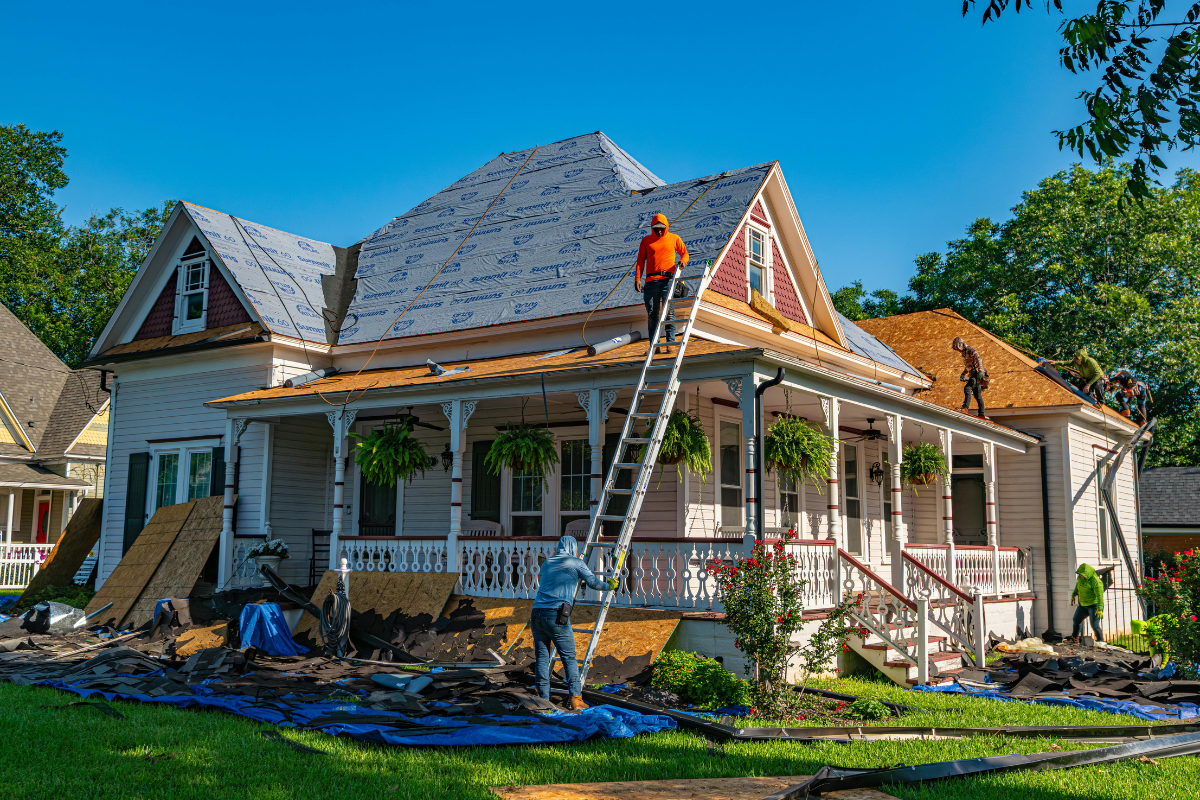
- Multi-story homes require scaffolding, lifts, or specialized ladders.
- Safety harnesses and fall-protection systems add to labor costs.
- Extra crew members are often needed to manage equipment safely.
2. ROOF SIZE & PITCH
- Larger square footage means more roofing materials and longer installation times.
- Steeper pitches and complex designs increase difficulty, requiring skilled labor and slowing progress.
- Complex rooflines (dormers, valleys, multiple slopes) add hours of precision work.
- Roofs with multiple dormers, valleys, skylights, or chimneys require more precise cutting and roof flashing and, consequently, increase material waste and labor time.
Learn more: Roof Pitch and Design Impact on Roof Replacement Cost: A 2026 Guide
3. MATERIAL SELECTION
- Asphalt shingles remain the most affordable but may not suit all climates.
- Metal roofing offers durability but requires specialized installation.
- Tile or slate adds weight, often demanding structural reinforcement.
4. SAFETY & INSURANCE COSTS
- Roofing companies must carry higher liability insurance for multi-story projects.
- OSHA compliance requires additional safety gear and training.
- Risk factors translate directly into higher labor rates.
5. TIME & LABOR INTENSITY
- Multi-story projects take longer due to the setup and teardown of equipment.
- Weather delays are more costly because of extended timelines.
- Seasonal demand can affect roofing costs, with prices typically rising during the summer months when more homeowners are replacing roofs.
- Skilled crews command premium rates for complex installations.
These core cost factors form the backbone of every roof replacement estimate. Once you understand them, the rest of the pricing puzzle, materials, labor, upgrades, and regional variations, becomes much easier to grasp. Think of this section as the foundation; everything else builds upon it.
Real Cost Example (So You Can Visualize It Better)
Let’s break this down with a realistic scenario:
Example: 2-Story Home (2,200 sq ft, asphalt shingles)
- Material cost: $6,000
- Labor cost: $7,500
- Permits + disposal: $1,500
- Total cost: ~$13,000 – $15,000
Now compare that with a single-story home of the same size, which might cost around $10,000 – $11,000.
That difference is purely due to height, safety, and complexity.
What Roofing Material Choices Impact Multi-Story Replacement Costs the Most?
The material you choose for your roof is one of the most decisive factors in determining overall installation cost. The average cost of a roof replacement can range from $5,870 to $46,000, depending on various factors, including material choice. For multi-story homes, the stakes are even higher; materials not only influence the price but also affect structural requirements, energy efficiency, and long-term durability.
From asphalt shingles to premium slate, each option carries its own set of benefits and challenges.
1. Asphalt Shingles (Most affordable roofing material in the U.S.)
Asphalt shingle roofs typically cost between $5,840 and $10,100 for a full roof replacement.
- Affordable roofing material.
- Widely available.
- Average lifespan: 20–30 years.
- Easy installation, lower labor costs.
- Less durable in extreme climates.
2. Architectural Shingles
- Architectural shingles are the upgraded versions of asphalt shingles.
- Better aesthetics and durability.
- Slightly higher installation cost.
3. Metal Shingles
Metal shingles are considered a premium roofing product due to their long lifespan and durability.
- Higher upfront cost but lasts 30–60 years.
- Reflective properties reduce cooling costs.
- Requires specialized installation crews.
- Resistant to fire, wind, and pests.
4. Tile (clay tiles) & Slate Roofing
Tile roofing is one of the more expensive roofing material options, but it offers great noise isolation from elements like wind and rain. Slate tile roofs are the longest-lasting roof material available, with a lifespan of up to 150 years. Clay and concrete roofs can last for 50 to 100 years, while slate roofs have the longest lifespan of 60 to 150 years.
- Premium option with lifespans of 75–100 years.
- Heavyweight often requires structural reinforcement.
- High material and labor costs.
- Adds significant curb appeal and property value.
5. Wood Shingles/Shakes
Wood roofs are relatively affordable, but they require regular maintenance to prevent rot or algae growth.
- Natural aesthetic, often used in historic or rustic homes.
- Lifespan: 25–40 years with proper maintenance.
- Vulnerable to fire unless treated.
- Higher maintenance requirements.
6. Energy-Efficient & Modern Options
- Solar-integrated shingles provide renewable energy benefits.
- Cool roofing materials reduce heat absorption.
- Green roofing systems (vegetative layers) add insulation but require specialized care.
By choosing the right material, you can balance the upfront new roof cost with long-term savings. The right choice ensures your investment pays off in both protection and property value.
Dive deeper into the pros, cons, and cost of easy material: Your Guide to the 5 Best Types of Roofing Materials (2025) | Roof Replacement Cost
Labor and Accessibility Challenges in Multi-Level Roof Installation
Labor is one of the most significant cost drivers in roof replacement. Labor typically accounts for 60% of the total cost of a roof replacement. The height of the structure, the need for specialized equipment, and the additional safety precautions all translate into higher expenses for a multi-story house compared to single-story projects. Steep roofs require fall protection, harnesses, and scaffolding, adding 20% to 40% to labor costs.
Accessibility isn’t just about reaching the roof; it’s about ensuring the crew can work safely and efficiently. From scaffolding setups to insurance premiums, every logistical detail adds layers of cost. Roofers are generally paid at a rate of about $130 per hour, and general roof laborers work for about $35 per hour. Understanding these challenges helps homeowners see why labor estimates often make up a larger portion of the final bill.
1. Crew Size & Expertise:
- Multi-story homes often require larger crews to manage equipment and safety.
- Skilled labor is essential for steep pitches and complex rooflines.
- Premium rates apply for contractors experienced in tall structures.
2. Safety Requirements:
- OSHA standards mandate fall-protection systems, harnesses, and guardrails.
- Additional training and certifications increase contractor costs.
- Liability insurance premiums are higher for multi-level projects.
3. Equipment & Logistics:
- Scaffolding, lifts, and cranes may be required for material transport.
- The setup and teardown of equipment add extra days to the project timeline.
- Specialized tools are needed for steep or irregular roof designs.
- Removing and disposing of existing roofing material can add to labor costs, typically ranging from $0.40 to $2.00 per square foot.
4. Time & Scheduling:
- Multi-story projects take longer due to complex logistics.
- Weather delays are more costly because of extended timelines.
- Contractors may schedule fewer jobs simultaneously, raising labor rates.
5. Hidden Accessibility Costs:
- Narrow driveways or limited yard space complicate equipment placement.
- Urban homes may require street permits for scaffolding or cranes.
- Permits for roof replacement can range from $100 to $1,400, depending on the city.
- Remote locations increase travel time and crew expenses.
By recognizing these realities, you can better appreciate why multi-story projects demand higher budgets and why choosing experienced, reputable roofing contractors is worth the investment.
Want a detailed breakdown of what roofers actually charge?
Check:
Roof labor cost breakdown and pricing guide
Should You Repair or Replace a Multi-Story Roof?
This is where many homeowners get stuck.
Go for repair if:
- Damage is minor (small leaks, few missing shingles)
- Roof is under 15–20 years old
- No structural issues
Go for full replacement if:
- Roof is 20+ years old
- Repairs keep repeating
- There’s underlying damage (rot, sagging, leaks)
For multi-story homes, repeated repairs can actually cost more long-term due to higher labor each time.
Smart move:
If you’re already spending on access and labor, replacement often gives better value.
Structural & Code Upgrades Homeowners Should Know About
Roof replacement isn’t always a simple swap of old shingles for new ones. For multi-story homes, structural integrity and compliance with modern building codes often add extra layers of cost. These upgrades aren’t optional, but essential for safety, durability, and legal approval.
Many U.S. homeowners are surprised to learn that replacing a roof can trigger mandatory updates to framing, insulation, or ventilation systems. Local codes evolve to meet stricter standards for fire resistance, wind protection, and energy efficiency, and your project must align with them.
Roof Structure Reinforcement:
- Heavy materials like tile or slate may require stronger framing.
- Engineers may need to assess load-bearing capacity before installation.
- Reinforcement adds both labor and material costs.
Building Code Compliance:
- Updated fire resistance standards may require specific materials.
- Wind uplift codes vary by region, especially in coastal states.
- Energy efficiency codes often mandate improved insulation or reflective materials.
Insulation & Ventilation Upgrades:
- Proper attic ventilation prevents moisture buildup and extends roof life.
- Adding insulation improves energy efficiency, reducing utility bills.
- These upgrades are often bundled into roofing projects.
Roof Permits & Inspections:
- Municipalities require permits, especially with structural changes.
- Roof inspection fees add to the overall budget.
- Non-compliance can result in fines or delays in project completion.
Hidden Additional Cost Factors:
- Discovering rot or water damage during replacement may require repairs.
- Older homes may need asbestos removal or other safety measures.
- These unexpected findings can significantly increase costs.
Structural and code upgrades may feel like hidden expenses, but they’re investments in safety and compliance. By addressing these requirements, you ensure your multi-story home is not only protected but also aligned with modern standards, saving you from costly issues down the road.
Uncover the must-know before you commit, check our blog on the hidden roof replacement cost.
Regional Cost Variations Across the U.S.
The average roof replacement costs don’t look the same everywhere. A homeowner in Texas may pay a very different price than someone in New York or California. Regional variations across the U.S. are shaped by labor rates, material availability, climate conditions, and even local permit fees.
Understanding these differences is crucial for multi-story homeowners. Since taller homes already carry higher costs, knowing how your region influences pricing helps you budget realistically and avoid sticker shock when contractors present estimates.
Labor Rates by Region:
- Urban areas (e.g., New York City, Los Angeles) have higher labor costs due to demand and unionized crews.
- Rural regions may offer lower rates but fewer specialized contractors.
- Seasonal demand spikes (hurricane season in the South, winter storms in the North) can temporarily raise prices.
Material Availability:
- Asphalt shingles are widely available nationwide, keeping costs stable.
- Tile and slate are more common in the Southwest and Northeast, respectively, affecting pricing.
- Metal roofing may cost more in regions where supply chains are limited.
Climate & Weather Impact:
- Coastal states often require wind-resistant materials, increasing costs.
- Snow-heavy regions demand stronger framing and insulation upgrades.
- Hot climates benefit from reflective or cool roofing, which may carry premium pricing.
Permit & Inspection Fees:
- Municipalities set their own permit costs, ranging from $200 to $1,000+.
- Some states require multiple inspections, adding to the timeline and budget.
- Historic districts may impose stricter regulations, raising costs further.
Regional Contractor Competition:
- High-demand areas may limit contractor availability, driving up bids.
- In competitive markets, homeowners can negotiate better rates.
- Insurance requirements vary by state, influencing contractor pricing.
Curious about what the average roof replacement costs look like in your neighborhood? Read our interactive blog with data across the state: click here!
Budgeting & Smart Homeowner Strategies for Multi-Story Homes
Budgeting for a multi-story roof replacement isn’t just about the total cost. It’s about knowing where you can save and where you shouldn’t compromise.
Here’s a quick breakdown to help you plan smarter:
| Strategy | What to Do | Why It Matters |
|---|---|---|
| Compare Multiple Quotes | Get 3–5 contractor estimates | Helps identify fair pricing and avoid overpaying |
| Don’t Choose the Cheapest | Check warranty, insurance, experience | Low bids often lead to poor installation or hidden costs |
| Plan for Long-Term Costs | Choose durable or energy-efficient materials | Saves money on repairs and energy bills over time |
| Explore Financing Options | Review if damage is storm-related | Can significantly reduce out-of-pocket cost |
| Explore Financing Options | Look into loans or contractor payment plans | Makes large upfront costs manageable |
| Schedule Smartly | Book during off-season (late summer or winter) | Contractors may offer lower pricing |
| Keep a Backup Budget | Set aside 10–15% extra | Covers hidden damage or structural issues |
| Use Local Rebates | Check for energy-efficiency or roofing grants | Reduces overall project cost |
Quick Money-Saving Tips Most Homeowners Miss
- Ask if old materials can be partially reused
- Negotiate after comparing multiple quotes
- Avoid peak season unless urgent
- Always get a detailed cost breakdown before starting
Before You Finalize Your Budget
Most homeowners make one mistake:
They rely only on contractor quotes without knowing the actual price range.
Smart move:
Use a roof cost calculator first to:
- Estimate your real cost
- Understand pricing breakdown
- Avoid overpriced quotes
Get an Instant Roof Replacement Estimate (Before You Talk to Contractors)
Most homeowners overpay simply because they don’t know the real numbers.
In less than 30 seconds, you can:
- Estimate your roof replacement cost
- Compare material options
- Understand labor pricing
Conclusion
Replacing the roof of a multi-story home is a complex but necessary investment. The journey from understanding core cost factors to choosing the right materials, navigating labor challenges, and meeting structural codes can feel overwhelming at first. But with the right knowledge, homeowners can transform this process into a well-planned investment rather than a stressful expense. Hiring a dedicated roofing professional is your best bet when replacing your roof. Professional roofers can get the job done in a matter of days, allowing homeowners to move on to other projects.
Every section of this guide has shown that costs are not arbitrary; they’re shaped by real-world factors like accessibility, regional labor rates, and compliance with evolving building codes. By recognizing these influences, you gain the power to plan ahead, budget wisely, and avoid unpleasant surprises.
Now that you have a clear roadmap, the next step is action. Don’t let uncertainty hold you back. Use our free roof replacement cost calculator today and get your personalized roof replacement estimate.
Visit our page and connect with specialists who speak your language and get a better idea of your home and its needs.
Why is a multi-story roof more expensive?
Because of higher labor risk, safety equipment, and slower installation due to height.
How much extra does height add to roof replacement cost?
Typically 20% to 50% more than a single-story home.
Does insurance cover roof replacement?
Yes, if the damage is caused by storms, hail, or accidents. Normal wear and tear is usually not covered.
How long does it take to replace a multi-story roof?
Usually 3 to 7 days, depending on size, weather, and complexity.
Is metal roofing worth it for multi-story homes?
Yes, if you want long-term durability and lower maintenance, but upfront cost is higher.
Roof Replacement Cost Calculator Accuracy: How Close Are Online Estimates to Real Contractor Quotes?