Flat Roof Replacement Cost Explained: Materials & Pricing
Key Takeaways
- Flat roof replacement costs in 2026 range between $6,000 to $18,000, depending on size and material.
- EPDM remains the most budget-friendly option, while PVC and TPO offer higher durability and energy efficiency.
- Labour accounts for 40–50% of total costs, influenced by roof accessibility and complexity.
- Energy-efficient materials may qualify for tax credits or rebates in 2026.
- Lifespan varies: EPDM (20–25 years), TPO (15–20 years), PVC (20–30 years), Modified Bitumen (15–20 years).
- Maintenance and warranty coverage significantly impact long-term value.
2026 Flat Roof Costs: Homeowners & Small Business Guide
Flat roofs are staples in modern residential and light commercial architecture. Their clean lines, efficient space use, and adaptability make them popular. Flat roofs are generally cheaper to replace than pitched roofs due to their simpler installation and fewer materials required. The average cost of a flat roof replacement is around $7,400, with prices ranging from $3,300 to $11,500 depending on various factors.
With 2026 bringing higher construction costs and new roofing technologies, understanding materials and pricing is essential before investing. The right choice depends on your property type, climate, and budget priorities. Let’s start by looking at the most common roofing materials available in 2026, then move into the other factors that influence your final bill.
Flat Roofs Materials & Their 2026 Costs
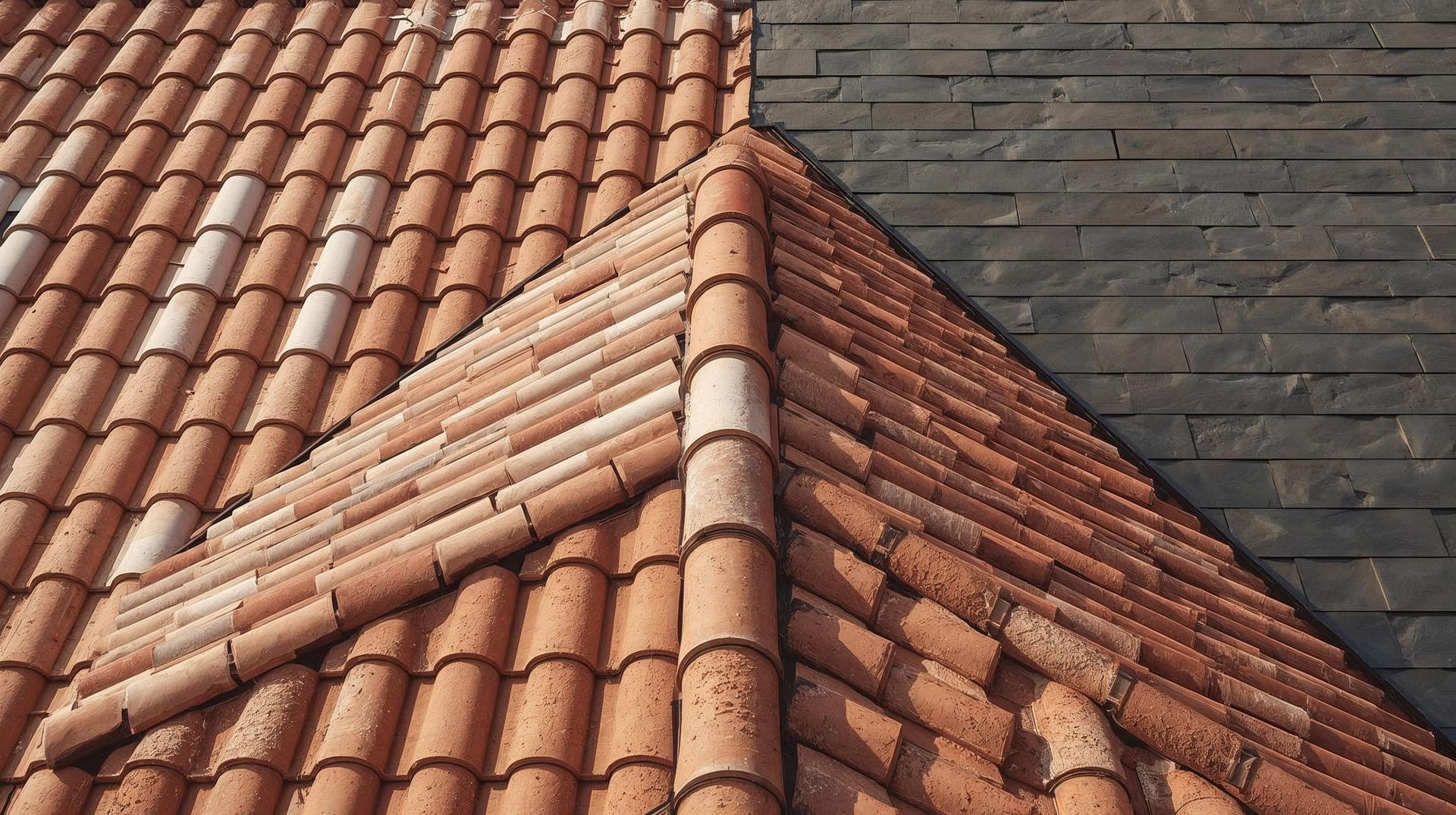
Flat roof materials generally range from $0.15 to $9 per square foot, depending on the type. Your choice of roofing material is the single biggest factor in determining your final cost and long-term value. Each option comes with its own strengths, lifespan, and suitability depending on whether you're a homeowner or managing commercial buildings. In 2026, the market offers a range of flat roofing materials from budget-friendly modified bitumen to premium metal roof systems, each designed to meet different needs.
Let's understand these options for flat roof replacement to avoid unexpected expenses and deliver a durable and energy-efficient roofing project.
1. EPDM (Rubber Roofs)
- Average Cost: $5–$8 per sq. ft.
- Pros: One of the most affordable flat roofing materials, making it ideal for property owners on a budget. It's lightweight, easy to install, has a decent lifespan, and works well on low slopes.
- Cons: Less resistant to punctures, limited aesthetics.
- Best For: Smaller roof structures or residential projects when repair costs need to stay low.
- Who should choose it: Homeowners replacing an old roof who want a new flat roof without a high average investment.
2. TPO Roofing
TPO is the most budget-friendly flat roofing option, typically costing between $4.50 and $7.88 per square foot.
- Average Cost: $6–$10 per sq. ft.
- Pros: TPO is highly reflective, improving energy efficiency and helping commercial buildings save money on cooling. It is also resistant to roof penetration and UV damage.
- Cons: Shorter lifespan than PVC.
- Best For: Light commercial buildings seeking energy savings.
- Who should choose it: Businesses or homeowners with minimal slope roofs who want a balance of affordability and performance.
3. PVC Roofing
PVC roofing is known for its strength and longevity, with an average cost of $7 to $12 per square foot.
- Average Cost: $8–$12 per sq. ft.
- Pros: One of the most durable flat roofing materials, offering strong resistance to chemicals, fire, and roof leaks. It provides a reliable waterproof barrier and a long lifespan.
- Cons: Higher upfront cost.
- Best For: Commercial properties with heavy foot traffic or exposure to industrial conditions.
- Who should choose it: Property owners who prioritise durability and want to avoid frequent repair costs.
4. Modified Bitumen
Modified bitumen is among the most expensive flat roofing materials, costing between $12 and $15 per square foot.
- Average Cost: $4–$7 per sq. ft.
- Pros: Known for layered strength, modified bitumen is easy to repair and provides solid protection against roof leaks. It's one of the most cost-effective options for flat roof replacement.
- Cons: Less eco-friendly, shorter lifespan.
- Best For: Residential flat roofs needing affordable durability.
- Who should choose it: Homeowners with larger roofs who want a complete replacement at a lower cost.
Most flat roofs in 2026 fall into one of these categories, each with different price points and performance levels. Choosing the right roofing system depends on your roof's square footage, budget, and whether you're managing a home or a commercial roof replacement. The right choice ensures quality service, quality workmanship, and a roofing project that delivers value for years to come.
Check out our full guide on flat roof replacement cost by material to get detailed insights.
Labour and Installation Costs
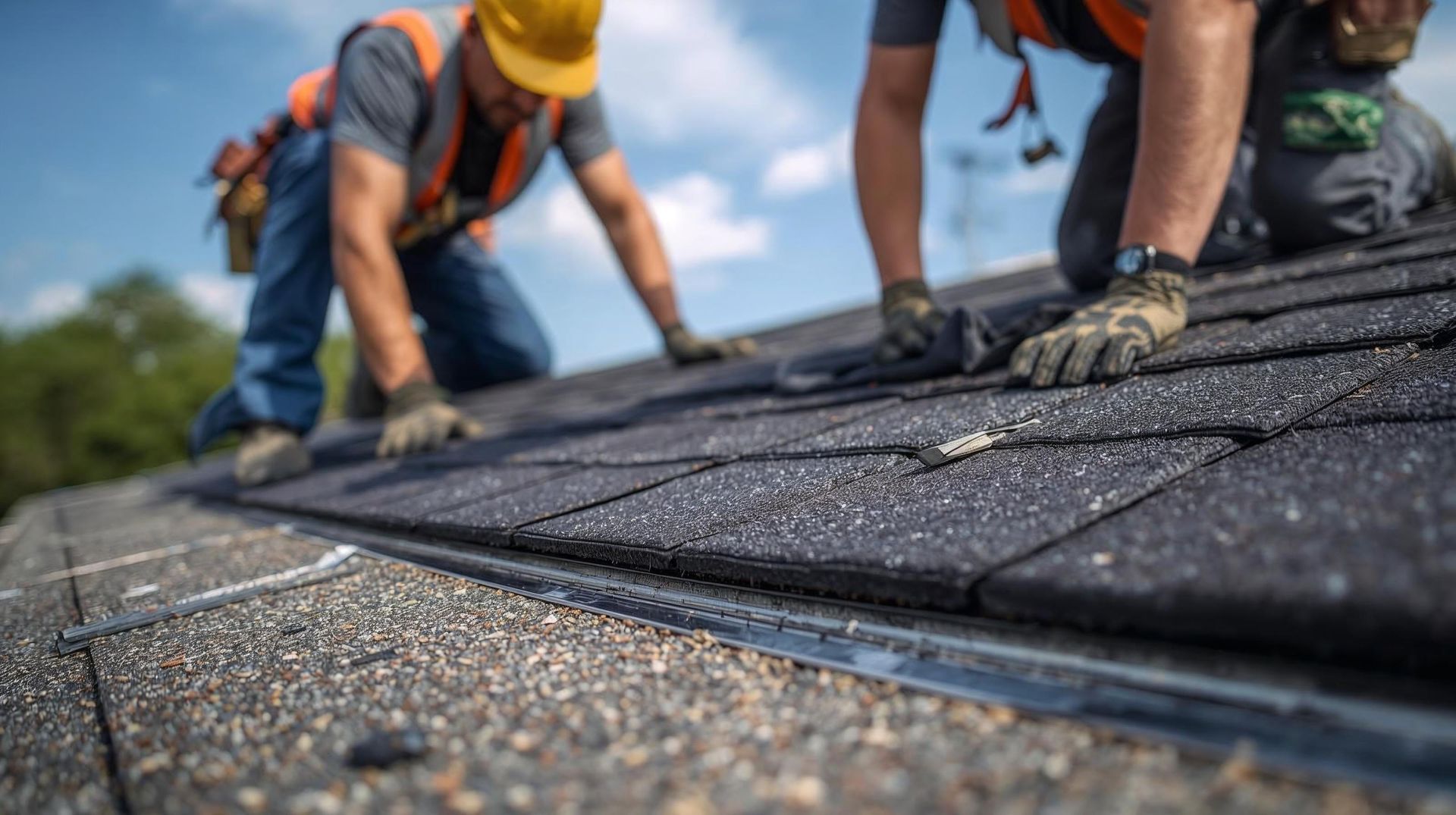
While flat roof replacement cost is heavily influenced by the choice of roofing material, the other major factor is labour costs and the installation process. In 2026, roofing contractors face higher wages, stricter safety standards, and rising permit costs, all of which contribute to the final cost of a roofing project. For most property owners, labour accounts for nearly half of the total cost, making it just as important to understand as the price of the flat roofing materials themselves.
- Labour typically makes up 40–50% of total replacement costs.
- Rates in 2026 average $50–$80 per hour, varying by region.
- Urban areas often see higher labour costs due to demand and limited availability of skilled crews.
- Rural areas may offer lower rates but fewer qualified contractors.
Roof size & square footage:
- Larger roofs require more time, more safety equipment, and additional crew members.
- The roof's square footage directly impacts the installation costs per square foot, especially when dealing with commercial roof replacement projects.
- Roofs with many penetrations, such as skylights or HVAC units, increase labour time and cost due to complex flashing and sealing needs.
Roof removal & preparation:
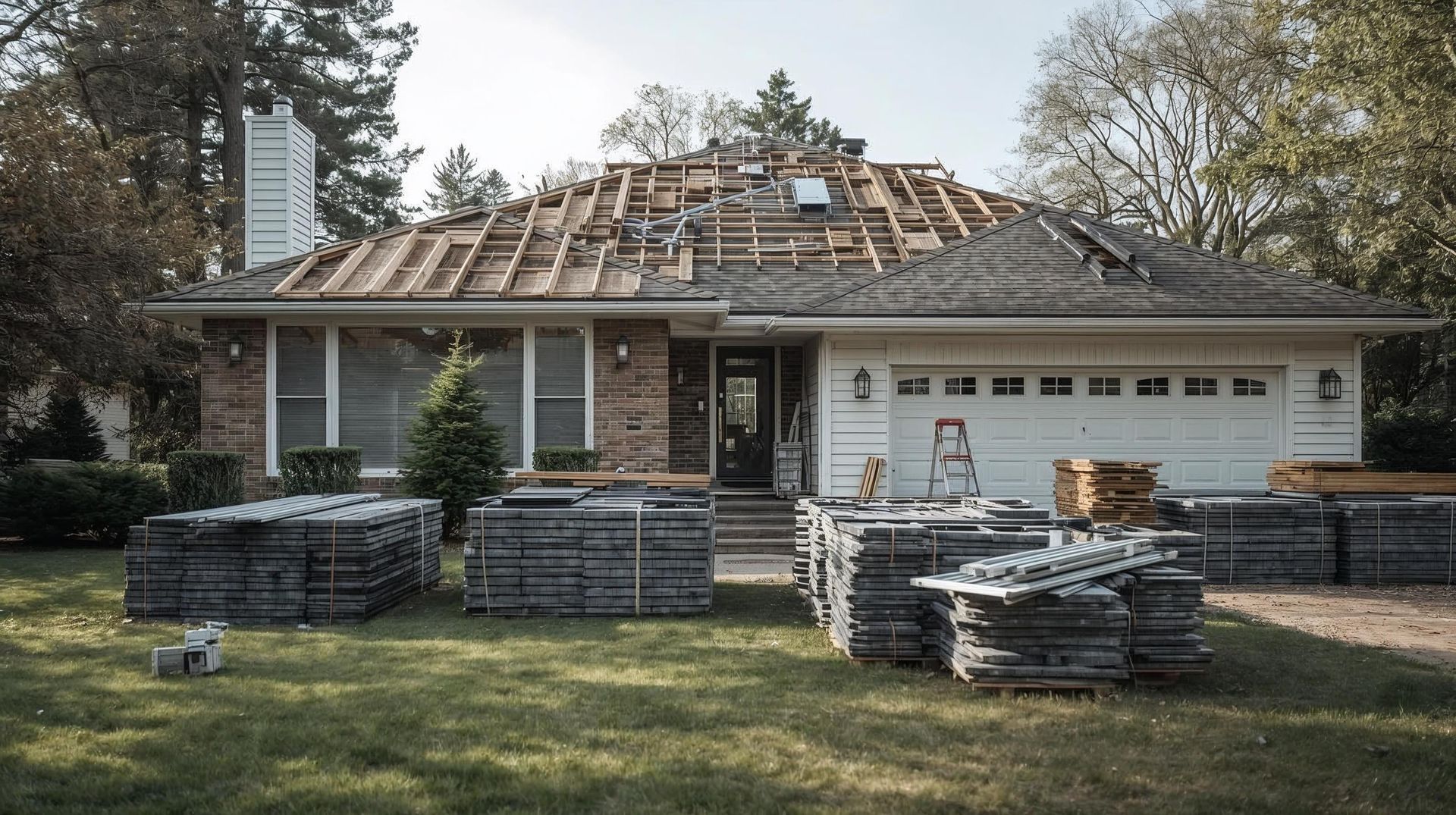
- Removing an existing roof adds $1-$3 per square foot to the estimated cost.
- Proper disposal of old roof materials and preparing the roof structure for a new one are essential to avoid unexpected expenses.
Installation process & complexity:
- Roof penetrations (vents, skylights, HVAC units) increase labour time and final cost.
- Minimal slope or low slope roof designs require careful underlayment materials and drainage systems to ensure the roof will drain properly.
- Complex roof types or multi-level commercial buildings demand more specialised crews and quality workmanship.
Professional installation & safety:
- A reputable roofing contractor ensures quality service, proper drip edges, and a reliable waterproof barrier.
- Compliance with safety standards requires safety equipment and trained crews, which adds to the overall cost but prevents liability issues.
Professional vs. DIY flat roof installation:
- Completing a roofing project requires specialised tools, knowledge, and safety equipment that most homeowners don't have.
- Taking the do-it-yourself (DIY) route makes sense for smaller home improvement projects, but your roof protects your entire home. A properly installed roof prevents water damage that could dwarf any savings from self-installation.
- Hiring a professional for your flat roof repair or replacement has many benefits, including skills, experience, and tools to do the job correctly and safely.
Choosing a trusted roofing contractor ensures quality workmanship, helps you avoid unexpected expenses, and guarantees that your entire roof is installed to last.
Planning a complete replacement? See our expert guide on Roof Installation full breakdown.
Regional Pricing Trends (2026)
Even after you've chosen the right roofing material, the flat roof replacement cost can vary widely depending on where your property is located. Regional differences in labour costs, availability of roofing contractors, and climate-driven preferences for certain flat roofing materials all play a role in shaping the final cost of a roofing project. For property owners, understanding these different price points helps avoid unexpected expenses and ensures the overall cost aligns with both budget and performance needs.
1. Urban Areas
- Higher labour costs: Cities often see local labour rates at the upper end of the spectrum ($70-$80 per hour).
- Permit costs: Stricter regulations and higher permit costs ($1,000-$1,500) add to the total cost.
- Material preferences: Reflective TPO roofing and PVC roofing are popular due to energy savings in dense, heat-prone environments.
- Best for: Commercial buildings and larger residential complexes where energy efficiency offsets higher upfront costs.
2. Suburban Areas
- Balanced pricing: Labour rates average $55-$65 per hour, with moderate installation costs.
- Roof size impact: Suburban homes often have larger roofs, meaning the roof's square footage drives up average investment.
- Material preferences: Modified bitumen roof and EPDM remain common due to affordability and ease of professional installation.
- Best for: Homeowners seeking a balance between replacement cost and durability.
3. Rural Areas
- Lower labour rates: rates may drop to $50-$55 per hour, but fewer roofing contractors are available.
- Material preferences: Metal roof systems are favoured for their longevity and ability to withstand harsher climates.
- Accessibility challenges: Remote locations can increase installation process time and unexpected expenses.
- Best for: Property owners willing to invest in premium materials for a new roof that minimises future repair costs.
Hot Regions: Reflective single-ply membrane systems like TPO roofing and PVC roofing help save money on cooling.
Cold Regions: EPDM performs well in freezing temperatures, offering flexibility and resistance to cracking.
Wet Regions: Modified bitumen and metal roof systems provide strong waterproof barriers and reliable drainage systems to drain properly.
Regional differences in flat roof replacement highlight why most property owners should seek a commercial roofing quote or residential estimate tailored to their location. Whether you're in a city with higher labour costs, a suburb with larger roof structures, or a rural area where premium materials are preferred, the estimated cost per square foot will vary. Factoring in permit costs, climate, and local labour availability ensures your roof replacement cost reflects not just the roof type you choose, but the realities of where you live.
Need clarity? Read our blog on Flat Roof Replacement Cost per Square Foot with Updated Price Ranges for 2026.
What are the Additional Cost Factors?
Beyond roofing materials and labour costs, several other elements contribute to the flat roof replacement cost in 2026. These factors often determine whether your roofing project stays within budget or balloons into a more expensive undertaking. From permit costs and insulation upgrades to warranties and long-term ROI, understanding these influences helps property owners plan for the final cost and avoid unexpected expenses.
1. Insulation & Energy Upgrades
- Adding insulation raises upfront costs but lowers utility bills.
- Reflective materials like TPO/PVC can cut cooling costs by 10-20% annually.
- 2026 tax credits are available for energy-efficient roofing upgrades.
- Best for: Commercial buildings and homeowners in hot climates who want to save money on long-term energy bills.
2. Warranties & Maintenance
- Manufacturer warranties range from 10 to 30 years, depending on roof type and premium materials.
- Regular thorough inspection and maintenance prevent the roof leaks and extend the lifespan.
- Repair costs average $300-$600 annually for cleaning, sealing, and minor fixes.
- Best for: Property owners who want peace of mind and protection against unexpected expenses.
3. Financing & ROI
- Roofing loans and financing options are widely available for both residential and commercial roof replacement.
- ROI is strongest with PVC and TPO due to energy efficiency and durability, despite a higher upfront replacement cost.
- Long-term savings often outweigh the overall cost of professional installation, especially for larger roofs.
- Best for: Homeowners and businesses planning a complete replacement who want to balance final cost with long-term value.
4. Permit Costs & Regulations
- Permit costs typically range from $500-$1,500, depending on the city and project scope.
- Commercial roofing quotes often include compliance with stricter codes, especially for commercial buildings with low-slope roofs.
- Failure to comply can lead to additional expenses and delays in the installation process.
- Best for: All property owners, since permits are mandatory for most roof replacement projects.
Factoring in these additional costs ensures that the total cost of your flat replacement reflects more than just the roof's square footage or the roofing material chosen. By planning for permit costs, insulation upgrades, warranties, and financing, property owners can achieve quality workmanship, maximise energy efficiency, and secure a new roof that delivers value for decades. A well-prepared budget not only helps you avoid unexpected expenses but also ensures your roofing project is a smart, long-term investment.
Understand your roofing estimate through our line-by-line breakdown for efficient roof replacement.
Conclusion
Flat roof replacement in 2026 is a significant investment, but choosing the right material can balance upfront costs with long-term savings. The market offers diverse flat roofing materials suited to different property types and climates. Whether you’re a homeowner replacing an ageing EPDM roof or a small business upgrading to PVC, understanding the pricing landscape helps you make a confident, informed decision.
For most property owners, the average investment in a new flat roof pays off through reduced repair costs, improved drainage system performance, and enhanced property value. By working with a trusted roofing contractor, ensuring a thorough inspection, and choosing the right roofing system, you secure not just a new roof but peace of mind that your entire roof will perform reliably for decades.
Use our
Roof Cost Calculator today to get a personalised estimate tailored to your region and home size. And if you’re ready to take the next step, visit our
Contact Us page to connect with our roofing experts. We’ll guide you through the process, answer your questions, and help you make the best decision for your home.
What is the cheapest flat roof material in 2026?
Modified bitumen and EPDM are the most affordable, averaging $4-$8 per sq. ft.
How long does a flat roof replacement take?
Most projects take 3-7 days, depending on roof size and weather conditions.
Can I install solar panels on a flat roof?
Yes, but reinforcement may be required. PVC and TPO roofs are better suited for solar integration.
Are there tax credits for energy-efficient flat roofs in 2026?
Yes, many regions offer rebates or credits for reflective materials like TPO and PVC.
How often should a flat roof be inspected?
At least twice a year, plus after major storms, to catch issues early and extend lifespan.